
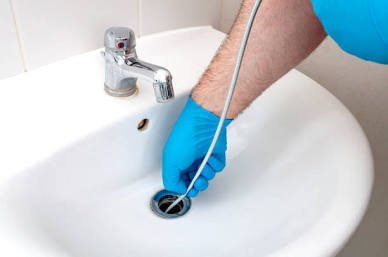
A bathroom sink that drains slowly is easy to ignore when water eventually disappears. The problem is that slow drainage often means something is already restricting the pipe. Hair, soap residue, toothpaste, skin oils, and other debris can gradually collect around the drain or inside the trap.
You do not have to wait until the sink stops draining completely. Acting while the water still moves gives you a better chance of clearing a minor restriction with simple maintenance.
The best approach is to start with the least invasive checks. Clean the drain opening, inspect the stopper, remove visible debris, and only then move toward the trap or a drain-cleaning tool if necessary. If the sink continues to drain poorly after basic cleaning, there may be a deeper plumbing problem that needs professional attention.
What a Slow Bathroom Sink Usually Means
A slow sink usually has a partial restriction somewhere between the drain opening and the larger waste pipe.
The restriction may be close to the top of the drain. This is common when hair and soap residue become trapped around the stopper. In other cases, material may collect farther down inside the drainpipe or in the curved section beneath the sink called the P-trap.
A partial blockage behaves differently from a complete blockage. Water can still pass through, but it takes longer. This gives you an opportunity to investigate before the restriction becomes severe.
Pay attention to how quickly the problem developed. A sink that has drained slightly slower over several weeks may have a gradually increasing buildup. A sink that suddenly becomes slow may have a piece of debris or a larger obstruction that has moved into the drain.
Why Bathroom Sinks Become Slow
Hair and soap residue
Hair is one of the most common materials found in bathroom drains. Individual strands can catch around the drain stopper or other parts inside the pipe.
Soap residue can then stick to the hair and create a larger mass. Oils and other bathroom debris can add to it over time.
This is why a drain may seem fine for months and then gradually become slower.
A dirty or obstructed stopper
Many bathroom sinks have a pop-up stopper controlled by a rod underneath the basin.
The stopper sits directly where water and debris enter the drain. Hair can wrap around it, while toothpaste residue and other material can accumulate around its edges.
Sometimes the blockage is not actually deep inside the plumbing. Cleaning the stopper and drain opening may restore normal flow.
Buildup inside the P-trap
The P-trap is the curved pipe underneath the sink. It holds a small amount of water that helps prevent sewer gases from entering the room.
Debris can collect inside the trap, particularly when material has passed through the drain opening.
If the drain opening looks clean but the sink remains slow, the trap is one possible location of the restriction.
A deeper drain restriction
If the sink remains slow after cleaning the stopper and trap, the restriction may be farther along the waste pipe.
This is more difficult to assess without access to the plumbing. In some homes, buildup can occur in older or poorly configured drainage systems.
A recurring problem may also indicate an underlying plumbing issue rather than a one-time blockage.
Start by Checking How the Sink Drains
Before taking anything apart, run a small amount of water into the sink.
Watch how quickly the water disappears.
If the water initially drains normally but then starts pooling, the restriction may be significant. If the water drains slowly from the beginning, there may be a more consistent restriction.
Also listen for unusual sounds.
Gurgling can sometimes occur when air and water are struggling to move through a restricted drain. It does not automatically prove that there is a serious problem, but it is worth noting if it happens regularly.
If other nearby fixtures are also draining slowly, do not assume the bathroom sink is the only problem. Multiple slow drains may point to a larger drainage issue.
How to Clear a Minor Sink Blockage
1. Remove visible debris from the drain
Start with the simplest option.
Put on suitable household gloves and inspect the drain opening. Remove visible hair or debris carefully.
If the sink has a stopper that can be lifted out, clean around it and underneath it. Some stoppers are easy to remove, while others are attached to the mechanism beneath the sink.
Do not force a stopper that does not come out easily. A damaged stopper mechanism can create another repair.
Once the visible material has been removed, run water through the sink and check whether drainage has improved.
[Internal link opportunity: article about removing hair and debris from bathroom drains]
2. Clean the stopper
If the stopper is dirty, rinse it thoroughly and remove hair or residue attached to it.
Also inspect the opening around the stopper. A surprisingly small amount of accumulated material can restrict the opening.
A small household brush can help clean accessible areas without pushing debris farther into the pipe.
After cleaning, reinstall the stopper correctly and test the sink.
3. Try a sink plunger
A sink plunger can sometimes move a partial blockage farther through the drain.
Before plunging, make sure the sink contains enough water to cover the rubber part of the plunger. If the basin has an overflow opening, covering it with a damp cloth can help create better pressure.
Place the plunger firmly over the drain and use controlled strokes.
The goal is to create pressure changes in the drain rather than simply forcing the plunger downward as hard as possible.
After several strokes, remove the plunger and see whether the water drains more quickly.
If there is no improvement, avoid repeatedly plunging with excessive force. The problem may require another approach.
What to Do If the Sink Is Still Slow
If cleaning the drain opening and stopper has not helped, the next step may involve checking the P-trap.
Place a bucket underneath the trap before loosening any connections. There may be water inside the pipe even if the sink appears empty.
If the trap has accessible removable connections, it can sometimes be cleaned and reinstalled. However, plumbing connections can be fragile, particularly in older installations.
If you encounter corrosion, seized fittings, damaged plastic, or a connection that begins leaking, stop rather than applying increasing force.
For renters, it is also worth checking whether the landlord or property manager is responsible for plumbing maintenance before dismantling anything.
Should You Use Chemical Drain Cleaners?
Chemical drain cleaners are not always the best first response to a slow bathroom sink.
A slow drain is an opportunity to identify and physically remove the material causing the restriction. If hair and residue are accessible near the drain opening, removing them directly avoids sending harsh chemicals into the plumbing.
There is also an important safety issue: never mix different drain-cleaning products. Combining chemicals can create dangerous reactions.
If a chemical product has already been poured into the drain, tell a plumber what was used before they work on the plumbing. They need to know about possible chemical residue.
For a recurring slow drain, identifying the cause is generally more useful than repeatedly treating the symptom.
Common Mistakes That Can Make the Problem Worse
One mistake is pushing debris farther into the pipe with an unsuitable object. You may temporarily improve the opening while moving the blockage to a less accessible location.
Another is using excessive force with a plunger or plumbing tool. More force does not always mean better results, and older connections can be damaged.
Do not pour boiling water into a sink simply because it is a popular household remedy. The plumbing materials and the type of blockage vary, so extremely hot water is not appropriate for every installation.
Avoid mixing drain chemicals under any circumstances.
It is also easy to overlook the stopper. People sometimes assume the blockage must be deep in the plumbing when the actual buildup is directly underneath the sink’s drain mechanism.
Signs the Problem Needs Professional Attention
A slow bathroom sink does not automatically require a plumber. However, some symptoms suggest that basic cleaning is no longer enough.
Consider professional help if:
- The sink repeatedly becomes slow after being cleaned.
- Water backs up into the basin quickly.
- Several drains in the property are slow at the same time.
- You hear persistent gurgling from the drainage system.
- Water leaks from the trap or other plumbing connections.
- The drain has stopped completely and basic methods do not restore flow.
- You suspect a blockage inside a concealed pipe.
- You are uncomfortable removing or reconnecting plumbing components.
Multiple slow fixtures deserve particular attention. If the bathroom sink, shower, toilet, or another nearby drain begins behaving differently around the same time, the restriction may be farther down the drainage system.
A professional can investigate the system without relying on guesswork.
How to Prevent the Sink From Becoming Blocked
Prevention starts with keeping as much debris as possible out of the drain.
Clean the stopper periodically. Hair that is removed early is much easier to deal with than hair that has combined with weeks of soap residue inside the pipe.
If the sink has a removable drain cover or suitable hair-catching device, keeping it clean can also reduce the amount of material entering the plumbing.
Avoid deliberately washing large amounts of hair, cotton, wipes, or other solid material down the sink.
Toothpaste residue is unavoidable, but excessive buildup around the stopper can be cleaned before it becomes part of a larger restriction.
Pay attention to drainage speed. If the sink begins taking noticeably longer to empty, investigate it rather than waiting for standing water.
[Internal link opportunity: article about preventing common bathroom plumbing problems]
A Simple Maintenance Routine
You do not need an elaborate plumbing schedule.
Every week or two, take a quick look at the drain opening and remove visible hair or debris. The exact frequency depends on how quickly material builds up in your household.
Every few weeks, clean the stopper and the area immediately around it.
If the sink starts draining more slowly than usual, deal with the change early.
This is usually easier than waiting until water stands in the basin while you wash your hands.
Frequently Asked Questions
Why is my bathroom sink draining slowly but not blocked?
A slow sink usually has a partial restriction rather than a complete blockage. Hair, soap residue, or debris may be narrowing the passage while still allowing some water through.
Can hair cause a bathroom sink to drain slowly?
Yes. Hair can become caught around the stopper or inside the drain and combine with soap residue and other material. Over time, this can reduce the space available for water to pass.
Is plunging safe for a bathroom sink?
A sink plunger can be suitable for a minor blockage when used carefully. Avoid excessive force, and stop if the plumbing appears damaged or the method produces no improvement.
Why does my bathroom sink keep becoming blocked?
Recurring blockages can happen because debris continues to enter the drain, but repeated problems may also point to a restriction farther inside the plumbing. If cleaning the accessible parts does not solve the issue, professional inspection may be worthwhile.
Should I remove the P-trap myself?
Some people with basic plumbing experience can clean an accessible P-trap, but it is not necessary for every slow sink. If the fittings are corroded, difficult to loosen, or already leaking, professional help is safer.
When should I stop trying to fix a slow sink myself?
Stop when basic cleaning does not improve the drainage, when several fixtures are affected, when plumbing connections are damaged, or when you are unsure about safely disconnecting the plumbing.
Final Thoughts
A slow bathroom sink is worth dealing with while water can still drain. The earlier you investigate, the more likely the problem is to be a simple accumulation of hair, soap residue, or debris around the stopper and drain opening.
Start with visible areas, clean the stopper, and use a suitable plunger carefully if needed. If the restriction appears deeper, do not keep forcing tools or chemicals into the plumbing.
A recurring problem, leaking pipe, multiple slow drains, or a blockage that resists basic cleaning is a good reason to call a qualified plumber. Fixing the cause rather than repeatedly treating the symptom can help keep the sink working normally for longer.