
How to Prepare Your Home for a Long Period of Hot Weather?

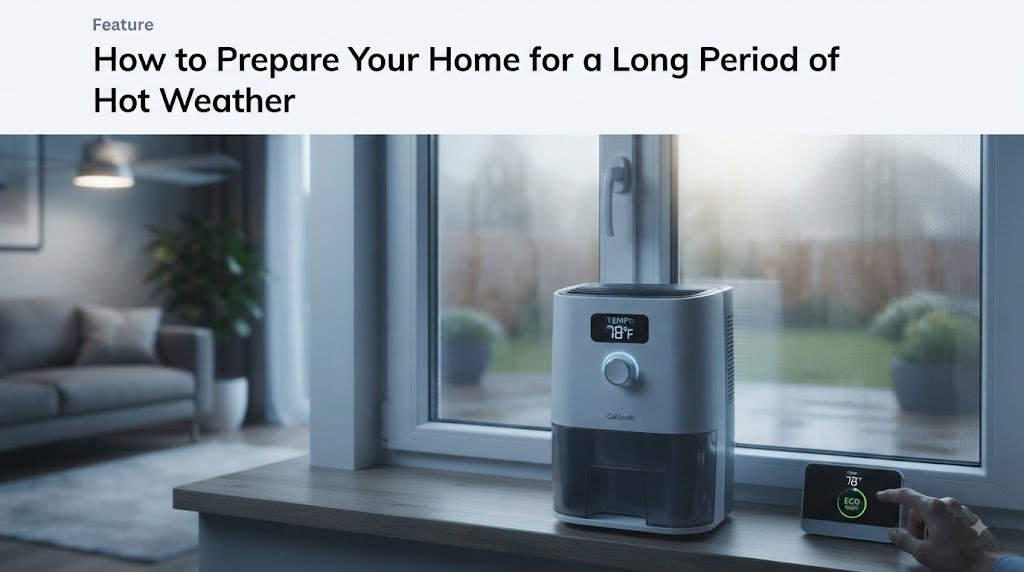
A long stretch of hot weather can put more stress on your home than a few unusually warm days. Rooms may become uncomfortable, cooling equipment may run for longer periods, food can spoil more quickly, and materials around the house can react to prolonged heat.

https://images.openai.com/static-rsc-4/aVu6A__Id320E9pzhYJjmeuF8BZbi6resBGs1eOrDXly7c6172D6V3spd_WNFeb3OdPxQzuFg6Y0gDDhc76T4m8gsrQ2V26rYCEc7nOEIdXR7o1RfszuTEFFLG62qBV0QiQ6VZt0wB7fHnsbyyVMJtM5tpiZH0EZaf4vx329U3MWtHx7xVRiHZ8N84WllBCL?purpose=fullsize
https://images.openai.com/static-rsc-4/RhEY71Z653mDuQa4crVyNi1ZM4L2fwE79_PfvzMgdk7s2Vmpwk8xg3Wy4ClluaRPJ4acH96TvnTlFJkytb7s2R21lm6LZIZqeBYPH8ecLm-qeYUnwol7mbI2iQmIkN0unq9vHVJjQV-1LBPfmVyd3tzgzuTNRinhlwf1w83EDZheI4SKugucSiyR0ZuZyLWH?purpose=fullsize
https://images.openai.com/static-rsc-4/rI2dbHKdqgeS6ETpMHJARwiMQvFV2T1Q6s8pAnjnBJnCE3ep3kd-0aWlkr-wpvZVzIEEK5PF7qxdBUUpozRgVzCwVq8Bh2GFsldWhDW-XuVlTWxpA4ACH02lFxhCfBvEgEFqbVcpX7eAsE3bXNqPN5WIXxqfAfL4zVILMpAuAJj1RHkxT2ifdcW3yz44f8jS?purpose=fullsize
6

The good news is that preparing your home does not always require expensive improvements. Simple changes such as blocking direct sunlight, checking fans, cleaning filters, managing indoor airflow, and preparing outdoor areas can make a noticeable difference.

The most useful approach is to prepare before the hottest days arrive. Once every room is already hot, cooling the house can take considerably more effort.

Start With the Parts of Your Home That Get Hottest

Before changing anything, walk through your home during the warmest part of the day.

https://images.openai.com/static-rsc-4/soW5iTzPDY04O7mU81b_CZ9eDSgCZ_hkg6-55On_qrOZWdh1Wc_mqoCTJ1RpKdUc6iieOolPk-qHsXegsiBZqfQjEmP9_CNO0Nicow52sifXQYTSF7jFTOP1mxL-u5ExACEyJbjjXyXAkSMIIcy1sg4Rwl20M2U6Zv0OsOZgtcBg8abOwx7KhkorOmTfwVJ7?purpose=fullsize
https://images.openai.com/static-rsc-4/9Fsj9alnif9qk2x89XPjfneB6d8hRNXeVEhgmphp1l3gLgI8QXoZqaLYLTaUhFJjOmKYtIxFJDxf3jN4cUVYjZYXIAfIl87XAO2Qyg662faQ9_KBQnG5_WBLcvgEnPA5LDQ5SIaAF8e2WcEw6alukKll2uiiWnEJZKdY2YJCjUCXMYlV52w3WfwL9FmgyCMK?purpose=fullsize
https://images.openai.com/static-rsc-4/v_bqHDMHrgVI619TT-8bDbIhFaNksIS5FdW6KQI1d0ba_Ezocv7W2Tc_ZbdTXGqV_Ck6WKv9n0tZ484OhDCupOm0p-VN9eFypRi1cySu_peyaBKUAY1gwz1buAmjQdVxGSK1F7WqWi3eIOHVarC7Z9_5988vjj5lXjNLLgLDIcKf2aVkfxrDMOob46sjBhW7?purpose=fullsize
4

Notice which rooms become uncomfortable first. A room with large west-facing windows may heat up significantly in the afternoon, while a shaded room may remain much cooler.

Also check upstairs rooms, enclosed balconies, kitchens, rooms with large glass areas, and spaces with limited airflow.

Once you know where the heat is entering, you can focus your efforts instead of trying to change the entire house at once.

Keep Direct Sunlight Out

Sunlight entering through windows can quickly warm floors, furniture, walls, and other surfaces.

https://images.openai.com/static-rsc-4/zfz7bSlXOUn97y4p_jYvnIE3cpLmhJBpS5ys1U9MmqE5dPOmdnyu6qfHLCKWz-JtTAmbhJQ-kT9Jcls_o5Q3IqoVLa9ThZKrzJ8aTpxHG3A3xRtNc_0f5UfkMezEEIdI4hPn-OEGCzOWcMF_GXW039bwg4-5HeTmsRHde5k8ABJjuOix-FzbjEqStDPsdxZM?purpose=fullsize
https://images.openai.com/static-rsc-4/cxjGzS4ZSfEGfTrYAoKnKJIlPbbydTechj6b8VZvgbmCjL8Wms3lPNr2fK94Qg2FjAhHBvIXg4BGoiA9PC4SH1N6Ci0uqnYEIQjREkHdnVw_WePbR0cOpk-q6GcZTc4rfTRymXeXE7YEOkvuPHKvaujxV6kOoFfOAoi_0VbLsR9xko3mzU0eCu2K5GIiERzZ?purpose=fullsize
https://images.openai.com/static-rsc-4/2YucBGCq0giq-5jNXAWO4jAaCBLLCO8WhGFQnXp53-w4db8oUfNtMtYkmZmwKKeD6LsABdKiG0Abi9Ny0PPzAJaJnCLGAHr4rJ6BfX-TNFSMtN9Ef6mXdZlCOOkSjpts6UaE0IFPP5bGGN_gU9tof9DSjJRVI2gNaW-BWEajliXWheXRVO0-mNkSehCN5mAE?purpose=fullsize
6

During the hottest part of the day, close curtains, blinds, shutters, or other suitable window coverings on sunny sides of the house.

Light-colored or reflective window coverings can be particularly useful because they can reduce the amount of solar energy reaching the room.

Do not assume every window should remain covered all day. If a window is shaded and outdoor conditions are comfortable, opening the covering may allow useful natural light without adding much heat.

Pay Special Attention to Afternoon Sun

The afternoon sun can be especially troublesome because the building may already have absorbed heat throughout the day.

https://images.openai.com/static-rsc-4/Lhc758aO43Nxtubza5Iy9EJkXqUNWfXQfDmCC-8RECPmaIgYtDvze7O4kWwCfik5M309H5arRZ7Yj1xQc-YG2V6fiBxC6S0eA1769xp-hRiq2DFyp1V2KUNvf9XxHaH061sNv2b6phtXKd6UNuxeDbM7xRWToK5FIZvmf0eNgtFC5A7smzsd-Rk2uLkUZTiR?purpose=fullsize
https://images.openai.com/static-rsc-4/sgYsJ0RaB9Lr2a4PT1-3Xd_WHlIyZjofTeHHaIiJSRi-Vt7o64JDl4B5iCS3v6h7IyGn17wbTXdIiCh0aPZwOHiPYwJ6uXaoipMm00rt-S7VTTbNscgjGIkQC-6mC-PpU7FCZylKdMqewJvY5mL6JPWuw-j9Ky7uNI3AB1cBDO03SWgCxdOObjSU84MabCSW?purpose=fullsize
https://images.openai.com/static-rsc-4/9qzsik9M_Mkccn2CfBrw2AaoSg9jUlsD8l5omJDaNByj_XQ9RcWy6o0OpPve5or_dNqSY4XfdJzlN34Ubbk2oHA9PeMqLPWgJ5Eac-s3bml6u0TicU-YOWdTTDPxd-1E57aT3m-0EouOUEEJe-Pi8_xmv9kk4Adw1xPC1KMgeUfh4xoT4MASou6r3F0ncgbJ?purpose=fullsize
5

If one side of your home becomes extremely hot later in the day, concentrate your window coverings there.

External shading can also help where practical. A properly positioned awning, exterior shade, or other suitable barrier can stop some sunlight before it reaches the glass.

Check Your Fans Before You Need Them

Fans are easy to overlook until temperatures rise.

https://images.openai.com/static-rsc-4/GlwwfMgbDrtZ2WnErnpul6yL18PewuM7y_U63tz6kTweTktd1b9feq7nb8nMNHI4TTqzcKkY1mx0mkL4uNHwxrZ4D50jR02rTLK2i8RzUml8CHPjcqpxMchkzSXtTJw6gNnsa7Ikzm95i_CU9YhYFXHts9JKnPq4AxYMq8VHiHN85NltxH666UDmgu47Dc6I?purpose=fullsize
https://images.openai.com/static-rsc-4/ERR_gO0ZLuqXx3Hz3lbM5CCFwghUFdkb5PAYPBHffYikle01xY5zCWpxxcQ-skiZkc4RAQtOvscuUMrga8X84ou9mU-hKsnPAfDUCMMmpOF8b6s8yATxtiNC4SnfV6AM3wXEFCWqfnN_vymmlCoJaU-WckOdrlk5cOw6441wvh5JSImxMs-u-OPLe4q4Cl0Q?purpose=fullsize
https://images.openai.com/static-rsc-4/50jGFhp-NAWCM00oGSKSQjIHLLUavFQ0EVLsAraa5NImxwBrAuQTU2PXCZd9judZ-U3BTFpkwmdslEZiKSHpmNwVO4SQhlc9vIrKBdsdb6iXK2bkLnp8He970_jtBRuyCs8fOV9DcMOj9JQq13mI3_F1SOMo4fbs6DyMXxF4goRXitgyX14gNPbNVxxft1rx?purpose=fullsize
6

Turn on ceiling fans and portable fans before the hot period begins. Listen for unusual noises and check whether the fan is operating normally.

Dust can accumulate on fan blades and guards, so clean them carefully before heavy use.

Remember that fans primarily move air rather than actually lowering the temperature of a room. They can make people feel cooler by improving air movement, but they should not be relied on as the only protection during dangerously hot conditions.

Clean Air Conditioner Filters

If your home has an air conditioner, preparation should include checking its filters.

https://images.openai.com/static-rsc-4/MGn8GBsZ9FyC1yncv5xaYE1EL9ZPP5bEyPtrriXrXA4TUXXGjShYsOd7katf7adioU6z7i8WBEMwHLx27s4cgGh5a40rDSqdDaqGJQ1au8pIm6UKIgx_wJpYBWuLQpv5YoE0i4SUwQTQeRkf0eQIVa3n8slVWZKElu6FqVO8zYTaM4yQuWKZuvhVLrMs4IGx?purpose=fullsize
https://images.openai.com/static-rsc-4/MQPEkZJntrrtagRMK53fEEtD8Fil54J_ZaoPJlJ3ccXue6aLmAiXS_5TqRXBuM2EG4-mbj10LPCr0x-3AxOFLXY_Uv2aD9MAkzBO2gPnDfAHYhfa1DuxYV4Yujz4I09GTCOTzrO6INWjD_qO-YaQS9voIoRiopujgUOiiQ1_EQILWqtIakpQuLs0IEtz-w_-?purpose=fullsize
https://images.openai.com/static-rsc-4/zG1kqoF0stL4DDBFGYFmAW1nk-9bqPj2Cfu8r7Kinmp5NBXuSmQGbRMjDgRyx0CRGxAdh4PUjzEHLGyk1rlnbZRuuJ9H4aJS7OS2OEdzIThgb9OzyOtO6eUyGib9u_qsy_hsX_7rwWjI1Ty3F-v2bxQyD3FFhQ6fa5ySUVZy1SVpIBjpWF7XJhg6W6Sk7Moj?purpose=fullsize
5

A dirty filter can restrict airflow and may make the system work harder. Follow the manufacturer’s instructions for cleaning or replacing the filter.

While checking the system, look at the outdoor unit if you have one. Keep leaves, dust, furniture, plants, and other objects from blocking the airflow around it.

https://images.openai.com/static-rsc-4/SehB4MGqzm3gpf8N1KKkTJK_g-god3J_Gn15Na_xHIwzEREeVhz4TDHkLPFZw5_R6BJHaMJ6wJQfP-NZRm1dhdqJLyhPaXUVI-ZKWP-ZHrpvJpwgJ0xs9CrJPaSjrO0gvaFcvjlsTUIR8Ty8GPwOIPyytlfGQPvtamlbboAvHi8yhnU3ldnJvfvwRfGU4QjJ?purpose=fullsize
https://images.openai.com/static-rsc-4/cZdT8vKQoWJZ1NU3oNiQHfK08fIQEvbYLAhHVqx-0gKQpzWgHqcZ9k6sPKFCcvnvn9QcEzqj156JMFvd2WwTZiDBP5LblnzkgvjK3SS0dmX1cuRPZM98ECzDIEQeliQPlxDf9Imgou0Ou3qGnWTvo5yaWNpjZLeegFjLJ4H7a-NZTaGMII2hJmr7sO0Ov3NK?purpose=fullsize
https://images.openai.com/static-rsc-4/GN4-kw1isWKx3UWU2QGJU9lTlduIFPJbnihvftLGJRaM2jpGzKz5ke6TNYU61pN-ugkaxQuGQnukgcnM5ZXCVsPebL6-dS1Q9PfKi-lOqsyOixzxwyt4smvm0xtxlUWVLUo0G6dbJ-X6cW51O7lLsEND-9v95XxzcMiq6zaf22p-kJaG7qMST8f2YpA3coUo?purpose=fullsize
6

Do not dismantle electrical or refrigeration components unless you are qualified to do so. If the system is making unusual noises, leaking, failing to cool properly, or repeatedly shutting down, arrange appropriate professional service.

Check Your Windows and Doors

Hot air can enter through gaps around poorly sealed windows and doors.

https://images.openai.com/static-rsc-4/01qlpUsj7iixGAOKs2WRtlTRlMpuR3C96b6PciiqOKaKk08Z3BABmD-EgmVXYl5WdT0xcKfTpi6RlBV2lReG5vfQdPywKCKvWD_4gow47nTw9CxS-a9bfm4lBIJTtQF4-qEGWhHeeEuiayuOUQpFALI14P1bW0rY0Bboeq9VsJJXaxWUE1Zv5rL6pcwfu4z_?purpose=fullsize
https://images.openai.com/static-rsc-4/W2U7k7cy0HW7st47RHPa_J3bm4laljcT48e9u5tw-F9e722Mpo8dwTE4upXCKdu5R9URR3OO_l2hT6359yR-tGcGecr-I7aQSCmQQkdBNGkxWYN01kkR3qNba6Ktm9cm6QkIleYglPAcUf4YBKoOpR1t5GTk2pzsi7D1oiuKruy1JCNrCax7bqZ6npXkY834?purpose=fullsize
https://images.openai.com/static-rsc-4/Qzcwg6ZMo_nQLByO5ghzdDuGpKTX4iazeSxsStp2JCzx9FrVHFJc_SYvEJdhoAAF1eqZPBsjj8kgljJIJgeDMIqWPyo-jvxzLtwcLOZSY0wwF6-eHKHHGmL6TH_CCVxY9ALWpFxn9FbcrNIiNAyfRspNpW8FV4KS2yYsdyVzNPKsNWOXyqFGJr-5oK9ZK-gy?purpose=fullsize
5

Inspect weatherstripping and seals for obvious damage. Look for cracked rubber, gaps, loose sections, or areas where the door no longer closes tightly.

You can also inspect window frames for damaged sealant or visible gaps.

This does not mean every small gap needs an expensive replacement. Start by identifying where unwanted outdoor air is actually entering and then determine whether a simple repair is appropriate.

Reduce Heat From Unnecessary Appliances

Many household appliances produce heat while operating.

https://images.openai.com/static-rsc-4/BRnpbr-Kw100md4V8v1MENVkyPwZqiQV0cLJ1tcAu2164MLqvCA546y7MVoerEj9v-ILV9_aIRFmnsnP-B15XGEyAl7CzVuqVCzt9QyQrOwBByVcGe4F-PpsChrN2zNXHjxqemletL3B--1_qP0FYR5jEV7xk0sC6KKvS1aavhM7FflKetD16kWcxlMDrSdm?purpose=fullsize
https://images.openai.com/static-rsc-4/BIt1v26IKvzJjirlctAaKlr7FtsZNP4hUoqbvnxZB8S0De4J-AbnS2vDmN3Z_W9ajXyW6Ix9SuO3HVawZely2srpN88lrL2ydG6DF5eYXijshhSkuy87-yI1tKhOVFee2_06hhfbZY_GtQaeNnqVoZzeD9HLCC3qyG-ZbuHb1tZ0zCZi-9Pa7QF6Wvc-_iCm?purpose=fullsize
https://images.openai.com/static-rsc-4/ySMu1XMDBTrM3YyQa535lxbmIJl3ZtpfLk_FRybWVQ9Z74LxgenivR7A46St3sULWKopsfr4FdAlFhUqegU9YpgotGol3pAbb032P0zuRkBZ1PX70ycCVBQOoye0Wh_-0ywTofE5hjF0BZPn27UyyEeJsoRu2Q2i67WpyGNZuF9gnxeHEipzqw8eJ17fy8BQ?purpose=fullsize
6

An oven can make a kitchen noticeably warmer, especially in a small or poorly ventilated space. Where practical, use appliances that produce less heat or cook during cooler parts of the day.

If you have an outdoor cooking option that is safe and appropriate for your home, using it can keep additional heat outside the living area.

Be careful with any outdoor cooking equipment and follow its manufacturer’s safety instructions. Never move appliances designed for outdoor use into enclosed indoor spaces.

Be Smart About Laundry

Laundry can add both heat and moisture to the home.

https://images.openai.com/static-rsc-4/gbtHXc-ht5b3om6HgdekCPxN4v_ygvPqW-0W58ZqrcMbw7xBde028EjhfESrGVcCo3voCLNCdUpKARNoZ_OL4x69aRLQ01iUdbMkdjYmu2BHe0PreFUzoNhWMjKxhvO_64zMCDf1MIW_Bqw-tVcsx-NSt7h_3mPmd4p_gy5GAX1Ktj-BzamKkj9lcUB1mnOh?purpose=fullsize
https://images.openai.com/static-rsc-4/RSmxoSHb0rTcwZ6EIgFe195oRHY2sM_pOQyO7CzNVxf4sGYT67jhkiCj7ZXkbGIIMUofSvDrQz9c3DPQvJlzzHQ0ln5kOtCR7SsITUzXb4CjhmKDYKAyEZnnscazDNpo13s4CRwB0T6XBHFLeeOYn6I3cNfMiIchN94H6LTjmWKKNHMeVA2BjfQ95f99PPoQ?purpose=fullsize
https://images.openai.com/static-rsc-4/0tP1iIz5PIv_YuIjO2sZg7NE6MzNWS0RUDvknT9oDREEltBZRc0wsW9w0wJTSip_7Jb9zWXsnlJe9E6Af73vq8Uz6bE4KHQax7_gQ167f3-v80OVKAYwdRKYVQvI9JrMjvI1ZjYNH5dU0eJ36cwYvQgs4c6vCS3FEh-DmZrN96Psod4PeyCSCxU9UyN6-i-U?purpose=fullsize
6

When weather and space allow, drying clothes outdoors can reduce the amount of moisture and heat released inside.

If you use a clothes dryer, make sure its exhaust system is maintained according to the manufacturer’s instructions and that lint is removed regularly.

A hot, humid laundry area can make the rest of the home feel less comfortable, so managing moisture is part of preparing for prolonged heat.

Keep Rooms From Becoming Heat Traps

A room can become much warmer when air has nowhere to move.

https://images.openai.com/static-rsc-4/zyH_B7C3Vwu8j9Ah3eJViZJpJnt8LKW0nsGCpfa-iHxqx_Nbn6onusp7YkwZ6LoyTrPVWJrMJh0bPyfyOXxDHzJYgkpyyqCKILMIubyzUbCk5x14dBxibx4KGNu_O_MALgxSRqPTxCagsuia81bleI7Ya3D8bnPtVttrM24iYYYuDgeDR5woJD9HGtC8iByq?purpose=fullsize
https://images.openai.com/static-rsc-4/8MMPkDMRRX_gVUqloWjQfGP6ekGkYHtNoBeNNG7nbAuI0P_9EuQcIYsEqRL0M8rNH9nI4qgMH5zVP7WHcPKeFO6ISM-cANl0egyvxcps_cruvXlkQ0LuuFy6NP2lF-pfZnv5kJR6tG2e8NFDI6sfQ5mbLZRDyHvwce7s4RxI8bMET36TVejAnMqCgG--yvh5?purpose=fullsize
https://images.openai.com/static-rsc-4/C-CfTitvHAJr7I4EivuEO6SpULp2GoofZinl6M4gY3ov1DPxWWmF3umKXVlxF-sfwXCyPv4YRYNhnTahkZTEyyG_0CmRbJPtKPa9wntzz2CfHUEYwngUQ8NpBPBdRfL3mtMAlGiPgDP-DnVH_N6h1QPNN7Q-xU6sAwIiHX891CHn3554zqVB-0tvWIcNqkbA?purpose=fullsize
6

When outdoor conditions are cooler than indoor conditions, opening suitable windows can help move air through the house.

However, during the hottest part of the day, opening every window is not always beneficial. If the outdoor air is hotter than the indoor air, bringing it inside may increase the temperature.

Think about timing rather than keeping windows open continuously.

Use Cooler Morning and Evening Air

One useful strategy is to take advantage of cooler outdoor conditions when they occur.

https://images.openai.com/static-rsc-4/YLKBtAwdqjDWSTt6ikXScFwcdD1QHSjthiZvG6SLc4OzpTS5Bnau-Irk9ErWpwT3vWCOOuy-C1-Va6TPW0d4gnWTI-hKlwrKnz_TjuYA4RZULrWPU_mBW-XS7hjnugF2bI3jLAlyDl9eGhJdSibvWr8LdgXBE7SfcS4iQ2W9LQZBo5udM9wC0RfhjazTjQoI?purpose=fullsize
https://images.openai.com/static-rsc-4/TTtV-A2NbG6wDSd9Z9QpfPHTMx5Rj3rKJkRc0-z_i4FzUzr9xSkupyq1Infp090xzNLNRcRD68i-GIh90wV6cIXxiWSBkNtNQoYZBEUopf467uwwb7Jpx2WZGTyjax2MnLoRjF9SJWDYOUPunZ3tDn7RrLMM_VecMl1l1aZy2RtMZ_cY3UxtafdcIp8wyEjk?purpose=fullsize
https://images.openai.com/static-rsc-4/2IarF-tM5URrDzwTbkdXzr1R1BY89QO9fC7NQzyuO1JH7gJD9QjmV9ybRm5K3q_5zOaAb3_3xDZKwcl6V9Ft6Mqps1YiZEQEW7yU8JjUFiSYamkCQMu1BDqH1VLHzjleQ1Gi3iTQmOddwNhR1tjGzU9CNFTixRUrfigaRCLqsFjq7lhMpRwpG7KypnWIwRkc?purpose=fullsize
6

If outdoor temperatures fall overnight, you may be able to ventilate the home during the cooler period and then close windows and coverings before the heat increases.

The exact timing depends on your local weather, humidity, security, and the design of your home.

This approach works best when the outdoor air is actually cooler and reasonably dry. Simply opening windows because it is morning does not guarantee that the house will cool.

Check Your Refrigerator and Freezer

Long hot periods can place additional demands on cooling appliances.

https://images.openai.com/static-rsc-4/Gs_eBCRLRAZZvA7-xBBRB9BWh2UIRxCVV02CiaZ7J-QvMHWVPHscar_EgL5yWZ9G5W59fcBpKODPHs1FeSauHBkHspxlOX8LXMgphvMJ_DC48eNEiRsbDbQzAIJq8qsHGCvPG8T4zzhbV0iBsodBbIQyxtNFEV0CE8hL33BhJTsHvXsa4AXIhRzC_crKnKRM?purpose=fullsize
https://images.openai.com/static-rsc-4/v_ky8JvBXIYaepkpwdbkTKjxkWqb1J0Qc-vw9phj9hb0A-axO5ZrU4nhJqcIpOKn5-lRoEutoROyK_k8BopLfqcvFMb95XEjTP_4PLtyN2Lj8ovcb1silLYDI2MoKOQRBssTJrUTOmuqjrj6KcpVBcUow1isenysspkqO3WstFUeiWGeBLA5NBGt1c4CAd_c?purpose=fullsize
https://images.openai.com/static-rsc-4/KmxV6RKjfWmo5_I_-f2OCF5k1EpuqcCZLKspHR7pKRn6yL_2SKbN0oCSsrD1sYs0b8QySuNq9LG6gTFNRDSiMnfidlpde_TaFMgV2E5BQz-bxtvQccCngHFuqX8d0RolQ8Jt_Gv6IO42mLmIFcLT0RstYqSFdFcIT5YeScMDMFoWcdqfPFBDNyXwwSHlidmY?purpose=fullsize
5

Make sure the refrigerator has enough clearance around it for proper ventilation according to the manufacturer’s instructions.

Keep the door seals clean and check that they close properly. A damaged seal can allow cold air to escape.

Avoid leaving refrigerator and freezer doors open longer than necessary. During very hot weather, minimizing unnecessary opening can help the appliance maintain its internal temperature.

Prepare for Possible Power Problems

Long periods of extreme heat can sometimes place heavy demand on electrical systems.

https://images.openai.com/static-rsc-4/DgVN695EB3lqPbXJ9iQL4F-7eReSG8FT8scf6vesvyvuQt9-oRz79f-GT1sqUR8dhWkz3bLnYXhJ51kBPOuwxTZqQZ6JOobNkdblPhbapcTbQ53qWi1hyJzWMmNEBuRYN2-r2Nl19VZ-yIIRhBNn3Ow8tdc77JJzs_9AWrbGF0dmHzqgeOp02QK2ruCs3a67?purpose=fullsize
https://images.openai.com/static-rsc-4/lbSj3kG_b6wKcKtg84PgfWriNos_sZigY-0NX2-CFcVS5QLJk-QbhM0SVmoj-24Zk4ep58T2irKmFBSX_v766CREoOtwTqS_4lN11vV7WATt1a7zMe0ny4-fYOTyBbdLRlBWK_X8DzPqn0HHSpf63XA4b6jyazp5kpqROU0qkmH_-7zBoYLqcUk3yg_84fSy?purpose=fullsize
https://images.openai.com/static-rsc-4/FmPYI6KE0IeXHpSFd2pX9PRF1-il0LO0sbKy9KnKLaYHtF-csWCqF-Npz34P0BsHBB4sMcdjihahX02npIdnSt9gCgMX0vhTaOmCuyPBHz7Q6uCLAoeNO5Zc5IO1yztLcDJJmbX2-3QEGebDTr8E9WbAx14zTdEKVjQ1cBOspX6Ou3wVC3S-5nylbXDz5e0U?purpose=fullsize
7

Keep basic emergency supplies somewhere easy to find. Useful items can include flashlights, batteries, charged power banks, and a way to receive weather or emergency information.

If your area experiences frequent outages, think ahead about which rooms will remain most comfortable without air conditioning.

Avoid using generators, charcoal grills, or fuel-burning equipment indoors. These devices can produce dangerous gases and should only be operated in the locations and conditions specified by the manufacturer.

Protect Rooms That Face the Roof

Upper floors and rooms directly beneath roofs can become especially warm.

https://images.openai.com/static-rsc-4/JnJLUmcXEY6SKnVoBsyaDd2SmC_a2epUPWV084PlpMTTGiHyRp0FCA9jibcO6KI3yK7Gzy8bEHAp9uqV6ZG9p9dGQdKOsNfA5GxBHawtdYw57cw1wUq7o8iNuQdhucjrP1VJ_xmiVdclXD9Uasp4M7m6DyyNdx7oEwHke3j-19zJIy__cVsSnNnHXp7Ijd-7?purpose=fullsize
https://images.openai.com/static-rsc-4/edgMByHyUcqjbx-IgIU76GMgTY1nPomtj8akbzVxWWvXH6-fycvZmY5c7w6NsOZ9Uqd9-tDZOJIXhxWTRWcYrTf6GagkR7XH9w2bxA3SjwPNcxyt74cpy8aoTSdU1kSH50GG-OI7zYej4pZYrOL5smLK8_E05BYKtNnY3cLNA9RPGtwkOaTm6f8Yqrlb7zrt?purpose=fullsize
https://images.openai.com/static-rsc-4/bl0H_kbQANh6qZGNmzajQ90Ai6S3P5JbCiBfxV2Hz3UDWdmXMCnEG-9cpEOfe2aq-PDW9WDS74CG0dBz0QHIhRUAZ7JTCBZzxceryVQj3weA9Fi9eKoLFI6yMqfztAK8YqqE8MgD1VG7rKZyvYqvBcgd5dra2VHxVaJpxwKVV_Fo0ZX2MbmCchuLqjKZbBZa?purpose=fullsize
6

If you have an attic or roof space, inspect it for obvious ventilation problems, damaged insulation, or signs of moisture.

Do not block ventilation openings simply because the attic feels hot. Proper roof ventilation is part of the building’s design and should remain functional.

If you suspect the roof or insulation is performing poorly, an experienced building professional can assess the situation and identify improvements suitable for the property.

Inspect Your Roof Before the Hot Weather Arrives

A long period of hot weather is a good reason to look at the condition of your roof, particularly if severe weather may accompany the heat.

https://images.openai.com/static-rsc-4/ob3LEgWj-bplYV-WhHi8R6pQ-yERKS9Xr08OuoNpAH8xErbYoU9d-S_Tdg_5TdHDmtXMESef9Cj5U0pPKVLQVgmYC8R76FhZe3OXfTXs87PcMWLm8FU62o13kAMWAy7wszLNBDLu6ygM2s4GMvMLzYqiTU7WlbL-hxljspmw2JZlOQnzXfbu7WAWM1bVuOhg?purpose=fullsize
https://images.openai.com/static-rsc-4/30HHKKHgO-eJGIyssqBcjoAsGrW9-7xOFGOv2LDUN583ICu2_jjzZAZOO0x6f1zrd-bImTAICPZPWWRNqt0gHomKXIx3xFjfwe5ghxk7QrTWX5WMm1e3NHvoRmB1Ej26cF4VFciEjWmzFItCtn8TMmXk2KfFPGtxr15Zx5CgLx5NtedBF3nrLg-qS_eEDQQU?purpose=fullsize
https://images.openai.com/static-rsc-4/7GN0ZhV-77Sowy50aCTy9ljhKzpmCsx3YmdonV4Ld01C8P5vZFFkcCwDU9b-kdot2m8fkdrzMQGaZGXjNt9z_a6l4WYR8HVo8-n_OWseJXTKDKgRvOBovPbRR1c0q_J4YXs5vL2WanmlsITuxhZSQKqB3aUHPk2PDrWLs5oaswWVCl_GQtPBzL0TxSJdewiv?purpose=fullsize
6

Look for obvious signs such as cracked or missing roof materials, damaged flashing, blocked gutters, or deteriorated sealant where accessible from a safe position.

Do not climb onto a roof if you are not equipped and qualified to do so. A roof inspection from ground level can identify some obvious issues, and difficult areas can be checked by a professional.

Clean Gutters and Downspouts

Heat preparation may seem unrelated to gutters, but general weather readiness is easier when drainage systems are maintained.

https://images.openai.com/static-rsc-4/RZ9tTNadK5a-QWujmLk6uEO6fCfvI7cFJJ5cu_VbC-N8s1HrQYPuE4Pe2yXdsWqNp_efACJSHCmLvmCtzYjuLYrfkx9d9OO8TF-jpg3X9UHXfHpseaYCfJwLAsKvby49tmjdWAVcAqUIAZePDdwpS38FfiG8d27ALxNXROyA36i0FyUM3k1dWYKsGnMAVlI5?purpose=fullsize
https://images.openai.com/static-rsc-4/1REuBZmTndP2SMm2RnlNoG87Mlr73Oto1T3APA7M6FP9UTNGPU3MLlOQsJmMCSnXmsR8JKGvtKxrkWgAAy6oeg8QLJGlOdwdc3-Fr-A1TG0_V90sDOrwPrdkG4Tlyp7WeXGjmX2qCAcFHyt3qTQP131amRZ-z-hGwItdmdTKDD-9-56NIrETolz_Y-skKnVG?purpose=fullsize
https://images.openai.com/static-rsc-4/lc0XVOpWsWnhXtv4yOwPVDiR_gAWdcyyfa7nQZlzb7tgsB9TDp4BUeEvCjgwDBI7loXM7dEOg98KGlkR0P7OilmFRKhq9CzAxvJxyvOR6svaKRQ1_xMhg63NeIVGFXPCwS19V0J58YNVBOSqy8eqiikFyJh_NI12qLmNuoC6H0gzsPTYGHEUqXi8md3R7bRR?purpose=fullsize
6

Remove leaves and debris where it is safe to do so and make sure downspouts can direct water away from the building.

This becomes particularly useful if hot weather is followed by thunderstorms or heavy rainfall.

Protect Outdoor Furniture and Materials

Outdoor furniture can become extremely hot when left in direct sunlight.

https://images.openai.com/static-rsc-4/znk44v0I1xMHHH71Eqeg-ePo9jr-oJRWboXcxuPB2QjghOidAHroftN8RCqWZl-rogqPEkavwQiUE92v0LfsowoTXuJJI3EGIK835ErNbUgw0aNuTWvETrteGss56OVAgU2yYOQ0n-wYzjOSxwbFmDvkoVOYvaTQn9BcrbnNnkl0ewRaAhv-TPkJ_AAvF8Ci?purpose=fullsize
https://images.openai.com/static-rsc-4/XlqpDwvCMa0fTWnzcC_WhM9k0hlyOpaO5XpNvstLgVNCBsHKObSvLFK8MlvBIWh8_z7qIrntOsTEgRwRD6pPl4kmZ_KOJUo7UhcH-tCD-k56MV0Ui0kUu3vzrVN--YjmW2-TJ4KmX6e1VYiv9GnDn5QU3rPLiNY3lOD78cebTcB8MhBHZzuChcG5KVp7ILqV?purpose=fullsize
https://images.openai.com/static-rsc-4/lcIGdS2MGwlVNW-Gs3Kq2xCXS6csHvIQDPx-SI6ePSNy9Jm4EokeFjdXf5W0HSY5QFnDN7d07UoT8Cq4IDFJMg3Tn-8d40cdIWe4ySXtfupLHxS8qcFex_B9ucpG640vyymlICrX23OVV6TBJAsNbJ3PVwOEUxfoB3tIdv3VLZJ-8prh4FIMvElYX3Po6MiX?purpose=fullsize
6

Move heat-sensitive items into shade where practical. Follow the manufacturer’s recommendations for cushions, plastics, wood, and other outdoor materials.

Some materials can fade, dry out, warp, or become uncomfortable to touch after prolonged exposure to intense sunlight.

Look After Outdoor Plants

A long hot period can place additional stress on gardens and container plants.

https://images.openai.com/static-rsc-4/rJoVrJpYhJumjzecZWOvoz6oNHf0YEK8totA0y7iW4xXmIKnMGIB4UskEzPOx6VViRPkCQ0dywUcsSjYFjA6kkN7h7RsaFTLdVoECaCu1AGECFzn1M5xWT7sBkE9nglWKDys2dZ7T3Q9AMGwhDsA3xTRz2HZ39u_0ylYKIpDHkY-9DWcY7o1CEqLlP6_uU_F?purpose=fullsize
https://images.openai.com/static-rsc-4/HmNd5pbiRF4VF3Op5_aCCKwh9g7Z1GxZUXFm1e2_kQWU7FjaeMjAV6nXSZF1hvXj2_DzxGAGj7TTRC-4swcgcZZUl4Ovb2rgWgniuXc0dJ1Cr1jU-Lft-rU7SQ0K_ljatSn3MJ7TEpaEzBXNJpy2RTOkp9-9U8CEELhvD_EzCLFSa0jsvmO_h4eZPTKLnQCX?purpose=fullsize
https://images.openai.com/static-rsc-4/ef4O2xNmA2ReUCbx8QeHptHCEEwtP35h_OhKMTL9LpGKDZzfXy4zC2eOz8mUWN2RD4cO2w9v1Xp4Jvfpp26Kz7eFDpyqwKonwb-6S-FOqgRsKVBYFKOS7XVbghzTXXlrQxCQDlPCxf4shJPeHjeltZFnP4gI5XI-difwI7rktmYOl-LVzFk4AKj7t53mXhWk?purpose=fullsize
7

Check plants regularly and water according to their needs and local conditions. Watering early in the day can be useful because it gives plants time to take up moisture before the hottest part of the day.

Mulch can also help soil retain moisture and reduce rapid drying.

Avoid assuming that every plant needs the same amount of water. Soil type, plant variety, container size, sunlight, and weather all affect watering needs.

Check Outdoor Taps and Hoses

Hot weather preparation is also a good time to inspect outdoor water connections.

https://images.openai.com/static-rsc-4/mJwB22B8rxnPGPHNSL6Q98NZ3O2zg6M_B2u8hgBtHSMdHAKkTjrQDZ4GBpqTEzJjcgdyjC22mnRp0Xzcwn-1w7rvl4y_z46cdkQlaZJ-c7loEIpQL4ucAhD0H4jIRHjaaH84M_l4o26MVShbe2GKgsey2U6A2RTNswVRuFfZQ4BXsGo-JEn803PHMl7OQkOM?purpose=fullsize
https://images.openai.com/static-rsc-4/WJOa4ZvYgmJfkJCFrnZTM-nV4JqVFayfigxXZ2Snsbzq8JfGYzrSLpj_a6bNCsBcqnIbJ5Rl9xcyyMv5Cw8q7grXn8E7NcWdTUtZodUOjHzOuxKS7o5rrkCb7tr3UsSI7z-TMjK3rHUj2vyGWZeS6P8-Er8APxw1FNId5ZjP59Qo-Um_TtQkbikQKbOy0QVv?purpose=fullsize
https://images.openai.com/static-rsc-4/ygh7ORfY46tN-2buUFnXsSB_XGpemK81BnWP0Wghjv0lAjatSJi2qTqYBPnir8pDi3f-dV0oryyaCWYC5TRajVEq2qYWCY9kIOc25Jm3ykVFAgPEeRtWpz4LSS1gpU-LyY4_ztBoX8aNzB8GYqDtr5PvoMcM46B_HVaOpOsqDdmkvyj6nb_4XH53Y4tRMxqO?purpose=fullsize
6

Look for dripping taps, cracked hoses, loose connections, and damaged fittings.

Small leaks can waste water and may also leave constantly wet areas around the house.

If a connection is leaking, repair or replace the damaged component rather than simply placing something underneath it to collect water.

Protect Wooden Outdoor Surfaces

Decking, fences, gates, and other wooden features can respond to prolonged heat and dry conditions.

https://images.openai.com/static-rsc-4/_dd1zpiVeuD3u0seDbosa_gHnARlL5w2o6NAd1gwNdb500fmC9wXzbtpJZtXFnEoc_4pAlLt6RuNlNmOKVx9SylWjx0cQCma2eU93kdzP5Myw1-tLmafS2-RJNgaXLKZQwm82ohWA5awfwvwH8-Ier984YZBNW1fo4dytkOwgC_17BLaEAWEkowP5oZr4ihG?purpose=fullsize
https://images.openai.com/static-rsc-4/V_fjf_sDHqDJjCOGZQixQlRmyqvgri5jBKegRs8PYa2jSZ65QJmSV-FxwtZ0ghT-LiYeYdWnf5EptWA73lZD-q4VjjvXtfki4rNwC5_v_iInTRcB0I2NXwqp19Cr-JdrZhX5l1Yf9hkq_nSge9ZgjKKLQbxzloillU-lNZoiLTSdrp2qR0ZkS9UcOEZM3r4h?purpose=fullsize
https://images.openai.com/static-rsc-4/iv-fYxPWeWqplAlDzA9C6Oc89Xqr5jEHsdMFSQlP7WAV-WGLfWd-oBlsHOOSDldONyPG6t1tE-cCIDL0NPlySrCuMJsW34D0ZiNkFip8Ya47cu2qS0Ssg2BKp1D9dyHWLpIiUX_lfoUQ3pZf16vgWMEXa97eAgaiPoZhK7T042vXgMDM-9bFV7I7_ye_zdSm?purpose=fullsize
6

Inspect for cracking, splitting, loose boards, or deteriorated finishes.

If the manufacturer recommends a particular protective treatment, follow those instructions. Avoid applying products simply because they are marketed for another type of wood or outdoor surface.

Check Your Smoke and Carbon Monoxide Alarms

General home preparation should include safety devices.

https://images.openai.com/static-rsc-4/AVYLoIW4IYv0aBOPXQVzjyVE6Cm6uNXsD4-AohfHHUobZQ4jkj7TJzva15tPv2pgpDzsuVXtGV0NXUVzdF6Z-EvHnlIXBeFKGfpAqlbmDlvPJ1EdIKtubpHgowbeykqmBNIsJSUcrbhqpu80q7LFPzI4aMhwlK4j4WLaB8oFK7q-9WFOx5g_agkYZVAyWCxC?purpose=fullsize
https://images.openai.com/static-rsc-4/eXEDcxWEu2jdcdnwc78o8S6prlX3HN1NPyWg64XADrPox6PrSnQFxu_hqA9kFyKtk9WRTlDZ6yNIDMLrO4JLEWR5oUjbUkgJDfLrXME3lkbbr1Hb3EQoofktBkJMQ0Q-pmgwNec8cJbFxeg4IHGvXOF5m3EUy60-N9wipyG3sfKZeptWp-ISlSqSoIZDoOYO?purpose=fullsize
https://images.openai.com/static-rsc-4/Axxo_LBG2WY67qUQgXcBs9oe33kV7jiDqtgsNn7QQc-kQvR10M7dV3lWi9e7V0JDdPD3G-BOVDwgojmv6RECxNkh0299gwZu2e3sgKw1B0_QZOEdwHfRO0WLuqBVpEQAhIrmWCQ_E2F_QW0YflufzjxPKZCQUBQAE_pt5fzjr-EqUhVfbf96nMamovID0BFJ?purpose=fullsize
4

Test smoke alarms and carbon monoxide alarms according to their manufacturer’s instructions and replace batteries or units when required.

This becomes especially important if you use fuel-burning appliances, backup generators, or other equipment during power interruptions.

Never operate fuel-burning equipment indoors or in an enclosed garage unless the equipment is specifically designed for that environment and the manufacturer’s instructions permit it.

Keep a Few Essential Supplies Ready

You do not need to turn your home into an emergency warehouse. A small collection of useful supplies can make a long hot period easier to manage.

https://images.openai.com/static-rsc-4/s2WZCya2Rzc7kuSyOi-u2UwU3rvE40FdWZubBJdKGH_Ly6SWhGtPGQTLOUmZ-MqowwRjzPSwtyq6eW8l3zyXonDcBPF0_yPFrIdA0JSAQSgkYdZ3tTprFGB7OUWmsAu_Xp5_XKBfLEe6R45t4HR7rkTG2v7JdBaCHse-l32Jb4MqybfC_n6fSrEWStkl4GRG?purpose=fullsize
https://images.openai.com/static-rsc-4/rB_MxExJWN5Pgj_QpwRv_FY13PqoDyz7qNCOaG0QiX2TNsM-f-bj5QI46IEBHpFaKZ5A5xU1IrG9rkHa6Iegfo-Hj93B5TX2d1-ZUYDbBogvH-T-Hm-1ko6i463LtW8wP_NyKPd1t5Wnj7k7lg_ZCgcKiOaa1ftzA3J1j6SSa67teE8X3A6hz6boRcDL_1bb?purpose=fullsize
https://images.openai.com/static-rsc-4/6hQP0BkCZpuam4Qkypxi8RFIxsDLKtXIDOg4SFYuVNWtvlaYXt42a7xo0Sncake_Fh6PV5A_si71u-945VOhTNRuTmxW0OD-b1UfQCSLVmjUCPpI_NUxKwCxV1JzE3uWO5Pm_-7BHb8Gm0XmXn8P5han5YNNhb027J53UMv1Gln2UXWBPqcSgGX4IK8gnrZq?purpose=fullsize
5

Consider having:

  • Working fans
  • Flashlights
  • Spare batteries
  • Charged power banks
  • Basic cleaning supplies
  • Drinking water appropriate for your household
  • Simple foods that do not require long cooking
  • A working thermometer
  • A basic first-aid kit
  • Necessary pet supplies

Keep important items somewhere cool and easy to access.

Do Not Forget About Pets

If pets live in the home, hot weather preparation should include their normal needs.

https://images.openai.com/static-rsc-4/FzYgQhGR_WRZNkPPJ3V0QFSFUhfXgsR6QNt19kts4_k5WCFNL621IX6SFH5NhoXf5ZWKv_f5PNweZoHTkKQR6PuXhMkoTJk6LFnXVOl695phd5dnlI4iV0kTfN6RRShqwpzCNhAxSqnptv4oKNFylUqBqFaT9hLAKfieNxhkVzDLQLn--I7MibniBFwuYhn7?purpose=fullsize
https://images.openai.com/static-rsc-4/FlAnLS973IsLppg_FRCmWv0HBXaSZwNaUDtry4PF478g6h-guwuRFSi_vXMvpOuuQHWzzWZLb8CUCMVY2gNnUvDcuwGZps6q7DxuIyoUdeGB8JdIT2oNjFNyhqqfei5n-D2yn_HquuBst0NrRnk88eHoF9rNka1dRgUwt13KIQVUYKBjprgacZl8DVN6zHMn?purpose=fullsize
https://images.openai.com/static-rsc-4/nWZsHUMvSaHL6GLS_okiLBDVmA_CBpLtfZWeAyggRuebPkx02cNSE7UfaOMoZKfYNUSBobHICwxxHRJChTPn05YQqU79pnTlE2HaEzF0EfqJ9tWq9zyGQxxWpdqvp5zKY2QxVv_TAYzU8s7-5h9eH9CaHGe5OwfCWGpB0RNhH5vGWI9ih0YMLu67Cjqy__0w?purpose=fullsize
7

Make sure they have access to suitable water and a comfortable, shaded or cooled area.

Also check that rooms do not become excessively hot while you are away. A room that feels comfortable in the morning can become much warmer by afternoon when direct sunlight reaches the windows.

Prepare Before the Heat Arrives

The biggest mistake is waiting until the first extremely hot day to check everything.

https://images.openai.com/static-rsc-4/SnQdZEd8YB8ZFlt1hiavQfFY0BoKpjcCZpxhtWMceHil6XC3zOCnuEYHC6ZikDCjPjjmKY4_TQ_Vp0MKAk6IZOxOH2MwP3fcSmBFmn3xOhiU2Glg1V29ZI35djSlpwydM1mFHkTiUQmvCCU7YiB0yhYKHI6Vb_Ma0ThOZHp53zr6a_PQjVrUI-8VmyBAUfAx?purpose=fullsize
https://images.openai.com/static-rsc-4/FpQy4huvjCaVEMp-bOlR_CZqmG_X4DRIuWnnyjs8CyHWglKoSDDOD_omQH66DOp5meLRC0UatALfsM2YteahkCHViAj2Vl-68Skg2305yVLVv6xyth4eiSi-ps17wCCrR7TSkEz6L9ekcQm6Qfa0iVz3UdQmZv7n3Eg-0TJzmZjlibtzlDHeRnSQu0JHoHFe?purpose=fullsize
https://images.openai.com/static-rsc-4/aVu6A__Id320E9pzhYJjmeuF8BZbi6resBGs1eOrDXly7c6172D6V3spd_WNFeb3OdPxQzuFg6Y0gDDhc76T4m8gsrQ2V26rYCEc7nOEIdXR7o1RfszuTEFFLG62qBV0QiQ6VZt0wB7fHnsbyyVMJtM5tpiZH0EZaf4vx329U3MWtHx7xVRiHZ8N84WllBCL?purpose=fullsize
6

A few days beforehand, walk through the home and check:

  • Window coverings
  • Fans
  • Air conditioner filters
  • Door and window seals
  • Refrigerator ventilation
  • Roof and gutter condition
  • Outdoor taps
  • Garden watering arrangements
  • Emergency lighting
  • Smoke and carbon monoxide alarms

Doing this early gives you time to repair problems instead of discovering them when temperatures are already uncomfortable.

A Simple Hot Weather Home Routine

Once the hot period begins, your daily routine can be fairly simple.

https://images.openai.com/static-rsc-4/aVu6A__Id320E9pzhYJjmeuF8BZbi6resBGs1eOrDXly7c6172D6V3spd_WNFeb3OdPxQzuFg6Y0gDDhc76T4m8gsrQ2V26rYCEc7nOEIdXR7o1RfszuTEFFLG62qBV0QiQ6VZt0wB7fHnsbyyVMJtM5tpiZH0EZaf4vx329U3MWtHx7xVRiHZ8N84WllBCL?purpose=fullsize
https://images.openai.com/static-rsc-4/TnniIJhcKE_BDz1vLpelfG5-qAQKUifzGW2Pw4jmMsBa0Qvv7crbKYXCert_xStubjChn2xSGwAHW9PU5fQ0d_T1WHULMcYGgYEb81XDJtu5WsnygefHV1m11mvuq1b0G-QD3laIbvTl59TBcuRTUprtUpj0E0GMK0EY7Baf0bhqlRBOa-LvcpZ3jGHa5CK4?purpose=fullsize
https://images.openai.com/static-rsc-4/zk4BdD_DejxOr2ZSNSdfHv7O_pFUKNA1f8pbV9LT76xW1v4wA-7QFlv2PriP8K7LxGEvHC__XvkOjBqeB8Lq-Jx8KI_s6MyhD7ZXTFj_3IyVyOpcJHd1yqmoHoDRcawiOKsv_l6mQ8fvCN3BjYdEvbJxpgEnhUisCM1ZW0YClGuNRKTjGHjyReJJ1R8rf_KR?purpose=fullsize
6

In the morning, check the weather and decide whether opening windows will help. If outdoor air is cooler, ventilate the home while conditions are favorable.

As temperatures rise, close sunny windows and reduce unnecessary heat sources.

Later in the evening, if outdoor temperatures have fallen below indoor temperatures, consider ventilating again.

This timing-based approach is often more useful than leaving windows open all day regardless of conditions.

Common Mistakes to Avoid

One common mistake is assuming that a fan always makes a room cooler. Fans improve air movement and can make occupants feel cooler, but they do not remove heat from the room.

https://images.openai.com/static-rsc-4/XcAgwqnmJhBVlhm3t3pQ6JWaUxHAIATez9PRZKeX7pGBC6z3CCUaj7ghY57A8dnoFsGqC9lsXNwflcQpMMN_6dQcls2FC7KcffYgekABRUBB1csubzqNCNdkWudOcSIIJr5vYIOEbNFYzHwZ0RH8Ft1kKbpf_Hw6YmuLhVhQ6y0MPWa0aTzpOIHPWpULSrio?purpose=fullsize
https://images.openai.com/static-rsc-4/RPe88g3Hb7ULFGB06AYBGsBLzRTArQeMscn03mKGUoP3Ol6tk0E153ffFnF61sF2Ku1yB3PmOQZWD1mxGXKYY3gNJfd-fmpEKiEoRYJMKbOkVCLkykCXMvA7BvSu0RQwLFpDbfZZxtJm84uhXPXxP4DkC3v4eWYc52tzu0ZsJOeHl6RGN590R9WGnm_2v68L?purpose=fullsize
https://images.openai.com/static-rsc-4/vQJjEV4qClPn1fz7Rx03EB2kQu4V5h2VK-fimZkNILfF5rqgWJU0rGP26okM4sDX96m4voFZve5nSCrUoym7LaYR5JBT30q6MJWLa9AQ8A4vVVizKWPIdTRqvfN0bAmJQDkHsI5lc50uxZC3NQJus2fjeBiT6ZZyhA7POhXow1rrxqPZeR32TTBaxxFWr0Vp?purpose=fullsize
7

Another mistake is opening windows during the hottest part of the afternoon when outdoor air is hotter than indoor air.

People also sometimes forget about the heat coming through windows. Running an air conditioner while direct sunlight pours into a room can make cooling more difficult.

https://images.openai.com/static-rsc-4/jwhh43fS7l4Mr7Gjf63JSYUqPUsFeks6Z7uOzAqVYFgCbbnVFziNXbxWObMbGEByYizBeE_sZj3CTq3e5WC9If6tPtk6yv0ZjSoDOCPZFMdEnFMKdv-nWrSscKb6NBq0SxvaLYuuCfolABvkTtSyhDlnSsaCa-9S-zb-Vlva777kwZ8LNdvyKYd1AgvY7huk?purpose=fullsize
https://images.openai.com/static-rsc-4/ANtleUtbCC8gXYgNFQNplMECL-I8xZGGFBgkXc83bxBo1RqTPx3oVYtOraXYTJt0_uGbjHHWirgjHst8Cbcb1VhTn_bU215YHO6qDYarJyAiKad7uyGGM66KvpL4zFzRgui6D8QKtXfAqQGlXXJW48mRQgJ6uyogG5fWCMNSJTvX3CeW7aOykoZ9LSEunGsY?purpose=fullsize
https://images.openai.com/static-rsc-4/oS_UPk7ckoWeyxyryUmfN5UAz78NfEZIC1SoaW9qy1dJiS5C7Kc0qa4RFRtSV5epys3CMe6uOQxpb2ZK3OyFZrmXWgNoBbp-GSU_-OIRaZLaURfMBhWY8_N56ctZw1m4FI1t_rN1uRpuLclMbKH_fPjsWFlzH5vObLgDRwOx78aDvUbsDHhS9zQz_Lw6Vqez?purpose=fullsize
5

Finally, avoid making electrical changes or air-conditioning repairs that require specialist knowledge unless you are qualified to perform them.

When Your Home May Need Professional Attention

Some problems are too important to treat as simple summer maintenance.

https://images.openai.com/static-rsc-4/WqVL_HH4HQRgJVheeHF-r8S9Gf9YZ6jKvu5mPjBBAXbqxFznj9qc8VzYdwxyPXSs8RiE5cdTs8Z1w8KO9LAhIFwcWGyb6AnzW5IW0pPg6iDNY8tHKSYdrJcaRUnhEAORvlBWUv_bMjVuF_Y71nbIydvHkhpAYGJKYDB3SbzYXjZR2erW9wI72_clGimY1_Br?purpose=fullsize
https://images.openai.com/static-rsc-4/HsxMyt6vPneOMb2JHkPfzlXCUd6mvLO1Bits9rLHrpuPZ6SRINfIBHpPZ-uFLAJtKYLjUihd8rjqNHLbhjCzqy0BKJXMJfVEqUUW4QbQlhrXsSls23dyr7X_F5-BteMQ1bJjcmcF8qyuLct5QQEH9Bi7wvUsOQxgiXhO6jLUut5jMaQ84E7h8cAT_a-d5URL?purpose=fullsize
https://images.openai.com/static-rsc-4/P6OFSJO6cX9Eq_-xJ7E1FVaKKO4Gj-9nMQJNa1nXiCq5rIgvPhwQ__xeQyW9FBiaY8lcx1TUJ3TL3zs1KDdykVx5KB_HpSgiDDOT9lr9K6YP_12aaUrqgj65I91fQ7-x2poS0mNlVHHC70N5Q_yi7iiVHD8qyuKPMIimO1erE1mvgMey0zukn4_bJDwa-5Dc?purpose=fullsize
7

Consider getting appropriate professional help if your air conditioner repeatedly fails, electrical equipment overheats or trips breakers, the roof has significant damage, insulation appears seriously deteriorated, or doors and windows have major sealing problems.

Do not ignore burning smells, damaged electrical wiring, unusual equipment noises, or other signs that something may be unsafe.

Final Thoughts

Preparing your home for a long period of hot weather is mostly about reducing unnecessary heat gain, maintaining cooling equipment, managing airflow, and finding problems before they become urgent.

https://images.openai.com/static-rsc-4/8YORA9hnk1MMPzBCNAxlA0cgVC7d2mGOXkG9gdq2nkof999s_NKyW3UHjpHUKjj8NHnQkH4l03TPyULxi6U9NfoP2Wc41IdASVHQio-0Fta7EIufDpJSkMNJC7jQix2sE7L9U3EoY7xWALe0-tZY5QfDa5O026OZhbV9E_RbQHXOo7Q-7KMbsCkQEpB07DmA?purpose=fullsize
https://images.openai.com/static-rsc-4/UCptvSjY3oK5gf2m1nAOgfFy2A1vsrZLm1dXs4m_l7-ROIMi0nVTLut-WEeOehVgumHJDJJTGhoT2_4spucrV6dIEFpOcLKy31PDGYT-iWkStwHFFWcfyc1HOapM2AesWuQCbuKXKp6sGb_FsLfBk-EAihAK9ym7_w7x1MChcKelmxUpgdwagjzrq_dE6tOI?purpose=fullsize
https://images.openai.com/static-rsc-4/zr8ElyRXB7vyxkgCej5Kmtto4Hbo9j1r_sJkeUnJNjMXd3XO2y1CrTaz51dPkTOARJpJOQYWB0RpjUgx6iaQMP0UkHfHZ9PlKw1rKRha3p6awj8zdbx4VOXt1dZk2wbjs_6moMFl23AnRr7t1u3TiLKwd24zVmbqRlrZQT7aJKs_lGmDTb6YWjH9zDBt_9-9?purpose=fullsize
6

Start with the basics. Shade sunny windows, clean fan and air-conditioner components according to their instructions, inspect doors and windows, manage cooking and laundry heat, and use cooler outdoor air when conditions allow.

Then look at the less obvious areas, such as the roof, attic, refrigerator, outdoor water connections, garden, and emergency supplies.

You do not need to make every improvement at once. Focus first on the rooms that become hottest and the equipment your household relies on most.

A little preparation before the heat arrives can make your home easier to manage throughout a long stretch of hot weather.

Frequently Asked Questions

How can I keep my house cooler during a long hot period?

Keep direct sunlight out during the hottest parts of the day, use suitable fans or air conditioning, reduce unnecessary indoor heat, and ventilate when outdoor conditions are cooler than indoor conditions.

Should I keep my windows open all day during hot weather?

Not necessarily. If outdoor temperatures are higher than indoor temperatures, keeping windows open can bring additional heat inside. Open them when outdoor conditions are cooler and close them when the outside air becomes hotter.

Do curtains really help keep a room cool?

Curtains and blinds can reduce direct sunlight entering a room. Their effectiveness depends on the material, color, window orientation, and how much sunlight they block.

https://images.openai.com/static-rsc-4/Hh_rCvdIegMtrTFvAqpkC53oqYwwjNgkS7ewevBUYwg8Llst7-RPmmi8jLYkAS8-I7ULQa0Vfhb65VyJf851KqhDVYAZz5DTDGuqBt5_YZxGjmZqnlH01BUuBk2qAeTdAn7O4sMZqGhCDpZF1NdWkWg3n1wKlzuFXDzRZcYIO1hsKmHDzk57c253pocsDUcT?purpose=fullsize
https://images.openai.com/static-rsc-4/9zcSI19VQ7MS-d_mAL2hYRe6U6_fNazw8jvjjIhPPJ7fB1HTautALJfYr1VgmrUcLfB2WzcD1LZ9Du2-lh3X_r2tbLFbll-AMFWA-SmmNG4aJNNu9vZi_I65RiehL9b9fOlAeIpBbVM0xYKvA_k8WvAu3XkehPNWHaDzLHdLzMeGEdOeAFHwXuIhOaV10loD?purpose=fullsize
https://images.openai.com/static-rsc-4/zfz7bSlXOUn97y4p_jYvnIE3cpLmhJBpS5ys1U9MmqE5dPOmdnyu6qfHLCKWz-JtTAmbhJQ-kT9Jcls_o5Q3IqoVLa9ThZKrzJ8aTpxHG3A3xRtNc_0f5UfkMezEEIdI4hPn-OEGCzOWcMF_GXW039bwg4-5HeTmsRHde5k8ABJjuOix-FzbjEqStDPsdxZM?purpose=fullsize
6

Should I clean my air conditioner before hot weather?

Yes. Check and clean or replace filters according to the manufacturer’s instructions. Keep the outdoor unit’s airflow area clear and arrange professional service if the system is not operating normally.

Why does my upstairs room get much hotter?

Heat can accumulate in upper parts of a home, particularly in rooms beneath roofs. Roof exposure, insulation, ventilation, window size, and direct sunlight can all contribute.

Can cooking make my house hotter?

Yes. Ovens, stovetops, and other appliances can release heat into the home. Using ventilation and choosing cooler cooking methods when practical can reduce the amount of heat added indoors.

How should I prepare my garden for prolonged hot weather?

Check the watering needs of your plants, use suitable mulch where appropriate, provide shade for sensitive plants when practical, and inspect outdoor hoses and taps for leaks.

What should I do if my air conditioner stops working during extreme heat?

First check simple issues such as the thermostat setting and the manufacturer’s recommended filter checks. If the system still does not operate correctly, arrange appropriate professional service rather than attempting electrical or refrigeration repairs yourself.

How can I prepare for a power outage during hot weather?

Keep flashlights, batteries, charged power banks, and other basic supplies ready. Identify the coolest practical room in the home and plan how you will maintain airflow safely if your normal cooling equipment becomes unavailable.

When should I start preparing my home for hot weather?

Ideally, prepare before the hot period begins. Checking fans, air conditioners, windows, curtains, appliances, roof drainage, and emergency supplies ahead of time gives you more opportunity to deal with problems before temperatures rise.

Leave a Comment