
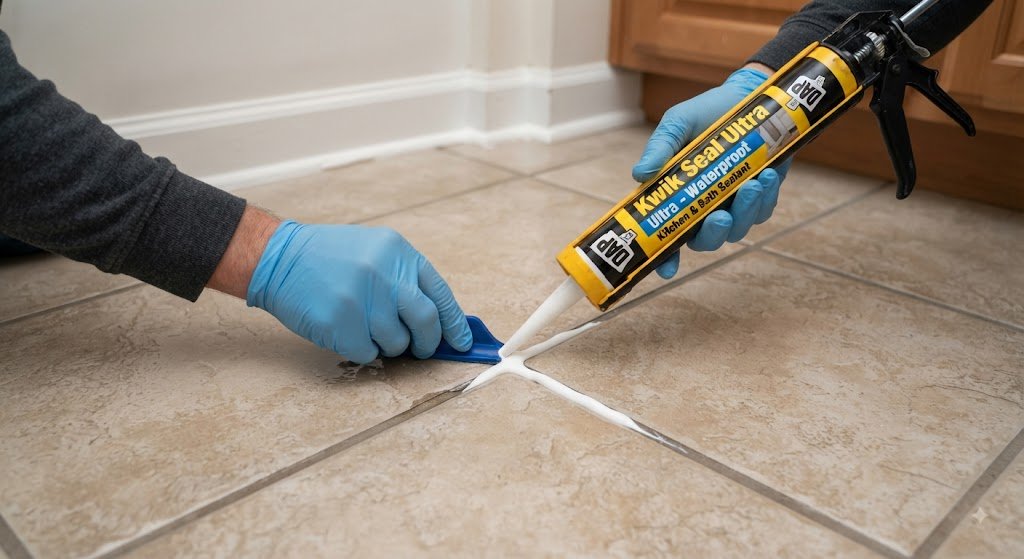
Water getting into cracks around floor tiles is a problem worth dealing with early. A small crack in grout may seem like nothing more than a cosmetic issue, but repeated moisture can make the area harder to maintain and may contribute to damage beneath the tiled surface.
The right repair depends on where the crack is, how large it is, and why it appeared. A narrow crack in ordinary grout may need a simple repair, while a recurring gap near a bathroom fixture could indicate movement or a water problem that needs more investigation.
The goal is not simply to cover the visible crack. You want to stop water from reaching the gap while making sure the underlying cause is not being ignored.
What Cracks Around Floor Tiles Can Mean
Cracks around floor tiles can occur in grout joints, flexible joints, or sometimes in the tile itself. These situations should not all be treated in the same way.
A small crack in a grout joint can develop from normal movement, poor installation, age, or stress on the tiled surface. If the tile underneath remains stable and there are no signs of moisture damage, a localized repair may be enough.
A crack that keeps reopening is different. It may indicate movement between materials or a problem below the tile.
Before repairing anything, identify exactly where the water is entering. Is the crack between two tiles? Is it along the edge of the floor and wall? Is it beside a toilet, shower, sink, or pipe? The location can provide useful clues.
Why Water Gets Through Cracks in Tile Joints
Tile itself is generally resistant to water, but the joints and surrounding materials can behave differently.
When grout cracks, a small opening can form between tiles. Water from cleaning, spills, or regular bathroom use can enter that opening.
This does not automatically mean water is reaching the structure underneath. The amount of protection beneath a tiled floor depends on the floor construction, waterproofing, substrate, and location.
In areas designed to handle regular water exposure, such as bathrooms, the underlying waterproofing system is especially important. A surface-level grout repair cannot replace a damaged waterproofing layer.
Common Reasons Cracks Develop
Normal movement
Different building materials can move slightly as temperatures and moisture conditions change.
Rigid grout may crack when the surrounding surfaces move differently. This is one reason recurring cracks often need more attention than a single isolated crack.
Loose or moving tiles
If a tile moves underfoot, the grout around it may crack because the joint is being stressed repeatedly.
Replacing the grout without stabilizing the tile may only provide a temporary improvement.
article about why floor tiles become loose and what you should check
Poor grout installation
Grout can fail when it was mixed, applied, or cured incorrectly.
Using too much water during mixing, failing to fill joints properly, or disturbing fresh grout before it has cured can contribute to premature problems.
Moisture beneath the floor
Sometimes water is not entering through the crack. Instead, moisture from underneath may be contributing to the damage.
This possibility becomes more important if you notice persistent dampness, staining, unusual odors, or damage in nearby materials.
What You Should Check Before Sealing a Crack
Do not immediately cover a crack with sealant.
First, clean the area gently and allow it to dry. Look closely at the joint and surrounding tiles.
Check whether the crack is:
- A narrow line in otherwise solid grout
- A larger gap where grout has fallen out
- A crack that extends into the tile
- Located around a moving tile
- Reappearing after previous repairs
- Near a plumbing fixture or another water source
Press gently on the nearby tiles. They should remain stable.
If the tile moves, stop treating the crack as a simple sealing problem. The movement needs to be addressed first.
How to Repair a Small Crack in Grout
If the crack is small and the surrounding tiles are stable, a localized grout repair may be appropriate.
1. Clean and dry the area
Remove dirt and loose debris from the joint.
Allow the area to dry properly before repairing it. The repair material should be applied under the conditions recommended by the manufacturer.
Do not simply seal over dirt, loose grout, or a damp surface.
2. Remove loose or damaged grout
Use a suitable grout removal tool to carefully remove weak material around the crack.
You do not need to remove sound grout unnecessarily, but the damaged section should be opened enough to create a clean surface for the replacement material.
Work slowly to avoid chipping the tile edges.
3. Prepare the replacement grout
Choose grout appropriate for the tile, joint width, and location.
Follow the manufacturer’s instructions for mixing and application. Do not add extra water simply to make the mixture easier to spread.
For a small repair, prepare only the amount you can use within the product’s working time.
4. Fill the joint properly
Press the new grout firmly into the prepared joint.
The goal is to fill the joint rather than spread a thin layer over the surface.
Remove excess material from the tile while following the product instructions, then clean the area carefully with a suitable sponge.
5. Let the repair cure
Keep water and unnecessary foot traffic away from the repaired area for the time recommended by the product manufacturer.
Do not judge the repair only by how dry it looks on the surface.
When a Flexible Sealant May Be More Appropriate
Some joints are designed to accommodate movement. These can include changes in plane, perimeter joints, or other locations where different surfaces meet.
Rigid grout is not suitable for every joint.
If the crack is located where a tiled floor meets another surface and movement is expected, a suitable flexible sealant may be more appropriate than rigid grout.
The correct product depends on the joint and the surrounding materials. Follow manufacturer instructions and local building requirements where applicable.
Do not automatically replace every cracked grout joint with sealant. First determine what kind of joint you are dealing with.
How to Seal Around Floor Fixtures
Water can also enter through gaps around fixtures and edges.
For example, a bathroom floor may have joints around a toilet base, pipe penetration, or other fixture. The correct repair depends on how the fixture and floor are constructed.
If you see an active leak, fix the leak before sealing the visible gap.
Applying sealant around a leaking fixture can hide the water source while the underlying problem continues.
For plumbing connections or concealed leaks that you cannot safely access, contact a qualified professional.
Do Not Seal Over Active Moisture Problems
One of the most important rules is simple: do not use sealant to hide an ongoing water problem.
If a crack remains wet, develops new discoloration, or is accompanied by a musty odor, investigate the source.
Possible causes can include leaking plumbing, water escaping from a shower area, damaged seals, or moisture entering from another part of the building.
The visible crack may be only where the problem becomes noticeable.
What About Waterproofing?
Waterproofing and surface grout serve different purposes.
Grout helps fill the joints between tiles and provides a finished surface. Waterproofing systems, where required, are designed to protect the underlying structure from water.
If waterproofing beneath a tiled wet area has failed, applying new grout or sealant on top may not restore it.
If you suspect water is getting behind tiles in a shower, bathroom, balcony, or another moisture-prone area, professional assessment may be appropriate.
The exact construction of the floor matters, and it is not possible to confirm the condition of a concealed waterproofing layer simply by looking at a surface crack.
Common Mistakes to Avoid
Covering the crack without cleaning it
Sealant or new grout applied over loose material may fail quickly.
Remove weak material and prepare the joint properly before making the repair.
Sealing a moving tile
If the tile itself moves, the joint will continue to experience stress.
Stabilize the tile or investigate the underlying cause instead of repeatedly filling the crack.
Using the wrong product
Grout, silicone-type sealants, and other joint products have different purposes.
Choose a material based on the joint, surrounding surfaces, and exposure to moisture.
Applying too much sealant
A large bead of sealant can look untidy and may not perform as expected.
Prepare the joint correctly and apply only the amount needed to fill it according to the product instructions.
Using harsh cleaning chemicals before repairing the joint
Aggressive chemicals can affect some grout, sealants, tile finishes, or nearby materials.
Use a suitable cleaner and follow its instructions.
Ignoring recurring cracks
If the same crack repeatedly returns after repair, investigate why.
Repeated failure is useful information. It can point toward movement, moisture, poor installation, or another underlying issue.
How to Prevent Water From Reaching Tile Cracks
Prevention starts with keeping the tiled surface in good condition.
Clean spills promptly and avoid allowing standing water to remain on floors unnecessarily.
In bathrooms, use suitable ventilation to help the area dry after bathing or showering. Keep an eye on grout and flexible joints for early signs of cracking.
Check accessible plumbing fixtures occasionally for visible leaks. A small leak is easier to address before it causes wider flooring damage.
Do not wait until a grout joint has completely disappeared. Repair damaged joints while the problem is still localized.
When cleaning floors, avoid flooding them with excessive water. Use the amount appropriate for the flooring material and cleaning method.
When You Should Call a Professional
A small stable grout crack can often be repaired by a careful DIYer. Larger or recurring problems deserve more caution.
Contact a qualified professional if you notice significant water damage, widespread loose tiles, persistent dampness, structural movement, or an active plumbing leak.
Professional help is also sensible when the crack is in a waterproofed wet area and you suspect water has moved behind the tiled surface.
If several tiles are lifting or cracking at the same time, replacing grout individually may not address the underlying problem.
Renters should check with their landlord or property manager before making permanent repairs, particularly when water damage or building defects may be involved.
Frequently Asked Questions
Can I use silicone over cracked grout?
A suitable flexible sealant can be appropriate for certain movement joints, but it is not a universal replacement for grout. The correct material depends on the location and type of joint.
Does cracked grout always mean water is getting underneath the tiles?
No. Cracked grout can result from movement, installation issues, age, or other causes. However, cracks in areas regularly exposed to water should be inspected and repaired appropriately.
Should I seal grout to prevent water from entering?
Some grout types can benefit from sealing, but sealing does not make a tiled floor completely waterproof. Follow the grout manufacturer’s recommendations and address cracks or damaged joints first.
Why does the same grout crack keep coming back?
Recurring cracks may indicate movement beneath or between surfaces, a loose tile, moisture, or an installation problem. Repeatedly replacing the grout without identifying the cause may not provide a lasting repair.
Can water damage happen under floor tiles?
It can, depending on the floor construction and source of water. If you notice persistent dampness, staining, odors, or damaged materials, investigate the source rather than relying only on a surface repair.
How long should repaired grout stay dry?
The required curing period depends on the grout or sealant product. Follow the manufacturer’s instructions and avoid exposing the repair to water before the recommended time.
Final Thoughts
Stopping water from entering cracks around floor tiles starts with identifying what caused the crack. A small, stable grout joint may only need careful cleaning, removal of damaged material, and a suitable replacement.
But if the tile moves, the crack keeps returning, or moisture is already present, surface sealing may not solve the real problem.
Take time to inspect the area before making a repair. Fix obvious leaks, use materials suited to the joint, and seek professional help when the problem involves concealed water damage, waterproofing, plumbing, or significant floor movement.
A small repair done for the right reason is much more useful than simply covering a crack and hoping it stays closed.