
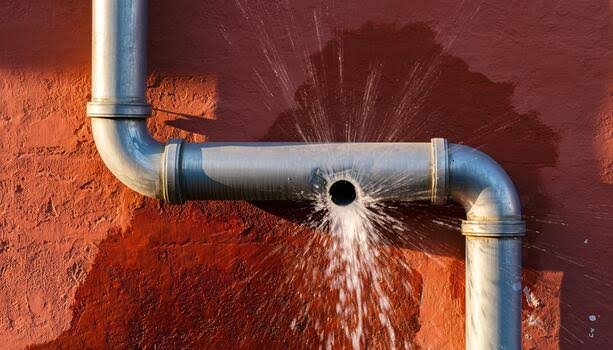
Small plumbing leaks often begin at places that are easy to overlook. A connection beneath a sink may develop a few drops of water. A toilet supply hose can start weeping around its fitting. A washing machine hose may slowly deteriorate until a small amount of moisture becomes a much larger problem.
Most household plumbing connections are designed to remain watertight for years, but seals wear, hoses age, fittings move, and corrosion can develop. Good maintenance is less about constantly tightening pipes and more about noticing early warning signs and avoiding unnecessary stress on the plumbing.
The most useful prevention routine is simple: know where your shut-off valves are, inspect accessible connections periodically, keep hoses from being bent or crushed, and investigate moisture before it becomes a puddle.
Why Plumbing Connections Start to Leak
A plumbing connection can fail for several reasons.
Some connections rely on rubber washers or seals. These materials can become hard, flattened, cracked, or otherwise less effective over time.
Flexible supply hoses can deteriorate with age or become damaged by sharp bends. Threaded connections can also leak if they are incorrectly assembled, damaged, or disturbed.
Corrosion is another concern. Metal fittings exposed to moisture can gradually deteriorate, particularly when a small leak has already been present.
Not every leak means the connection simply needs to be tightened. Sometimes the seal, hose, valve, or fitting itself needs to be replaced.
Understanding this can prevent a common maintenance mistake: applying more force to a connection that is already damaged.
Know Where Your Household Plumbing Connections Are
You cannot prevent a leak you never notice.
Start by learning where the accessible plumbing connections are located around your home.
Common areas include:
- Under kitchen and bathroom sinks
- Around toilet supply connections
- Behind washing machines
- Near dishwashers
- Around water heaters, where accessible
- Beneath utility sinks
- Around exposed pipe connections
You do not need to dismantle anything during a routine inspection.
Simply look for dampness, staining, corrosion, mineral deposits, or changes in the condition of flexible hoses.
Knowing where the main water shut-off and individual fixture valves are located is also useful. If a hose suddenly fails, being able to stop the water quickly can limit damage.
Inspect Under Sinks Regularly
The cabinet beneath a sink is one of the easiest places to spot an early plumbing leak.
Remove stored items occasionally and look at the pipes, valves, and flexible hoses.
Check for:
- Small droplets
- Damp cabinet surfaces
- Water stains
- Corrosion
- Cracked or damaged hoses
- Mineral deposits around fittings
- Hoses that have shifted or become sharply bent
Run the tap for a short period while watching the connections.
A connection that stays dry when the plumbing is not being used but becomes wet while water is flowing deserves attention.
Do not wait for enough water to form a puddle. A small amount of moisture can be an early warning sign.
[Internal link opportunity: article about finding the source of a small water leak under a sink]
Protect Flexible Supply Hoses
Flexible hoses are convenient because they make it easier to connect fixtures, but they should not be treated as indestructible.
Look at the hose beneath sinks, toilets, dishwashers, and other fixtures where flexible connections are used.
The hose should not be sharply bent, crushed, twisted, or pulled tight.
When storing items under a sink, leave enough space around the plumbing. A heavy bottle or box pressing against a hose can gradually move or stress the connection.
If a hose shows visible damage, corrosion, bulging, cracking, or other signs of deterioration, replacement is usually more sensible than waiting for it to fail.
When replacing a hose, use a suitable component designed for the particular plumbing connection.
Do Not Overtighten Plumbing Connections
It can be tempting to grab a wrench whenever you see a small drip.
More tightening is not always better.
Many plumbing connections use a washer, gasket, or other sealing surface. The threads mainly hold the components together; excessive force can damage the sealing material or the fitting itself.
Plastic fittings are particularly vulnerable to cracking when excessive force is used.
If a connection is already tight but continues to leak, look for the actual cause. A worn washer, damaged hose, cracked fitting, or faulty valve may need replacement.
A leak should be repaired, not simply squeezed harder.
Check Toilet Supply Connections
Toilet supply lines are easy to overlook because they are usually hidden behind or beside the toilet.
Periodically inspect the flexible supply hose and the connections at both ends.
Look for moisture, rust, mineral buildup, or damage.
Do not hang objects from the supply hose or use it as a convenient support.
If the shut-off valve is difficult to operate, do not force it. A valve that cannot safely isolate the toilet can become a problem when a repair is needed.
If you notice water around the toilet base rather than the supply connection, investigate the source carefully because water may be coming from another part of the toilet.
[Internal link opportunity: article about why water collects around your toilet and what it could mean]
Inspect Washing Machine Hoses
Washing machine supply hoses deserve particular attention because they remain connected to pressurized water even when the machine is not running.
Check the hoses for visible cracks, bulges, corrosion, or other deterioration.
Make sure the hoses are not sharply bent behind the machine.
If the washing machine is positioned tightly against the wall, avoid pushing it backward so hard that the hoses become compressed.
If a hose is visibly damaged or has reached the end of its recommended service life according to the manufacturer’s guidance, replace it rather than waiting for a failure.
When working behind the washing machine, take care because the appliance can be heavy and awkward to move. If you cannot move it safely, ask for assistance.
Watch for Mineral Deposits
White, chalky, greenish, or rusty deposits around a plumbing connection can indicate that water has been escaping and evaporating.
The deposit itself may not be the current leak, but it is a reason to inspect the connection more closely.
Dry the area and observe it while the fixture is being used.
If fresh moisture appears, investigate the connection rather than simply wiping the deposit away.
Repeated deposits can also indicate that a seal is deteriorating.
[Internal link opportunity: article about how to find small water leaks before they cause expensive damage]
Keep Plumbing Areas Dry and Accessible
A crowded cabinet makes it harder to notice leaks.
Store cleaning products and household supplies so they do not press against pipes, valves, or hoses.
Avoid placing sharp objects near flexible plumbing lines.
Under sinks, leave enough room to see the connections.
Accessibility matters during an emergency as well. If you cannot reach a shut-off valve quickly because it is buried behind stored items, stopping a leak can take longer.
A few minutes of organization can make plumbing maintenance much easier.
Be Careful After Plumbing Repairs
Many small leaks appear after a fixture has been installed, repaired, or moved.
Whenever plumbing work has been completed, inspect the connections after the water supply is restored.
Run the fixture normally and check underneath or behind it.
Then check again later.
A connection that looks dry immediately may begin leaking slowly after the system returns to normal pressure.
This does not mean every repaired connection will fail. It simply makes post-repair inspection a sensible habit.
Know the Difference Between a Supply Leak and a Drain Leak
This distinction can help you find problems earlier.
A pressurized supply connection can leak even when the fixture is not being used.
A drain connection generally becomes wet when water is flowing through the drain.
For example, if a sink cabinet stays dry until you turn on the tap, the drain system becomes worth checking. If water appears even when nobody has used the sink, a supply-side connection may be more likely.
The distinction is not absolute, but observing when the water appears can provide a useful clue.
What About Plumbing Seal Tape and Thread Sealants?
Thread-sealing products can be useful for certain types of threaded plumbing connections, but they are not appropriate for every joint.
Some connections seal with a rubber washer or gasket. Adding thread tape to such a connection may not solve the problem and can interfere with proper assembly.
Before applying a sealant, identify what type of connection you are dealing with and follow the manufacturer’s instructions.
Do not use sealant as a substitute for a damaged washer, cracked pipe, or deteriorated hose.
If you are unsure whether a particular joint requires thread sealing, it is safer to check the product or fixture instructions or ask a qualified plumber.
Common Mistakes That Can Cause Leaks
One common mistake is tightening every connection whenever a small drip appears.
Another is reusing old washers or seals after a connection has been dismantled. A seal that has already been compressed may not reseat properly.
Forcing plastic fittings is another avoidable problem.
Do not bend flexible hoses sharply to make them fit into a tight space.
Avoid ignoring minor corrosion because the connection is still working. Corrosion can progress and make future repairs more difficult.
It is also a mistake to conceal a leak with tape, sealant, or another temporary covering without finding out why the connection is leaking.
When You Should Call a Professional
Basic inspection is appropriate for many accessible household connections, but some plumbing work should be left to a qualified professional.
Contact a plumber if:
- A pipe or fitting is cracked.
- A shut-off valve will not operate safely.
- A pressurized connection is leaking heavily.
- You cannot isolate the water supply.
- Significant corrosion is present.
- Water is coming from inside a wall or ceiling.
- A leak continues after a suitable repair.
- You are unsure how a connection should be disassembled.
- The plumbing is part of a complex or shared building system.
In apartments or rented properties, check the maintenance arrangements before altering plumbing connections.
If a major leak occurs and you can safely reach the appropriate shut-off valve, turn off the water and arrange professional assistance.
A Simple Plumbing Inspection Routine
You do not need to inspect every pipe every day.
A practical routine is to look at accessible plumbing during normal household cleaning.
Under sinks, check the hoses and valves.
Around toilets, check the supply connection and floor area.
Behind washing machines, inspect the accessible hoses when the appliance can be moved safely.
After any plumbing repair, inspect the area again once the fixture has been used normally.
The exact frequency depends on the age and condition of your plumbing, but regular visual checks can help you notice changes before a leak becomes severe.
Frequently Asked Questions
How often should I check plumbing connections for leaks?
There is no single schedule that suits every home. A quick visual inspection during routine cleaning is useful, with closer attention to older hoses, valves, and connections that have previously leaked.
Why do plumbing connections leak even when they look tight?
A connection can leak because of a worn washer, damaged seal, cracked fitting, corrosion, or incorrect assembly. Tightening alone does not correct every type of failure.
Should I replace old flexible plumbing hoses?
If a hose shows cracking, corrosion, bulging, or other visible damage, replacement is sensible. For specific products, follow the manufacturer’s recommendations for inspection and replacement.
Can I prevent every household plumbing leak?
No. Seals and plumbing components eventually wear out. Good maintenance can reduce avoidable problems and help you detect leaks earlier, but it cannot eliminate all failures.
Is a small plumbing leak worth fixing immediately?
Yes. Even a small leak can continue for a long time and damage cabinets, flooring, or surrounding materials. Finding and correcting the source early is usually easier.
Should I use thread tape on a leaking connection?
Only when the type of connection is designed for thread sealing and the product instructions support its use. Many connections seal with washers or gaskets instead, so thread tape is not a universal solution.
Final Thoughts
Preventing plumbing leaks is mostly about observation and sensible maintenance. Keep accessible connections visible, inspect flexible hoses, watch for moisture and corrosion, and avoid putting unnecessary pressure on pipes and fittings.
When a connection does begin leaking, identify the reason before reaching for a wrench. A worn washer or damaged hose may need replacement, while a cracked fitting or faulty valve may require professional repair.
Knowing where your water shut-offs are and keeping them accessible is just as useful as routine inspection. A few minutes of attention can help you catch a small plumbing problem before it becomes a much larger household repair.