
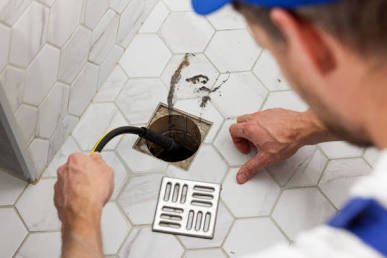
A bad smell coming from a shower drain can make an otherwise clean bathroom unpleasant to use. Sometimes the cause is simple buildup around the drain opening. In other cases, the smell can be connected to stagnant water, a dry trap, poor drainage, or a problem deeper in the plumbing.
The important thing is not to assume that every drain odor has the same cause. A shower that smells slightly musty after several days of limited use may need basic cleaning, while a strong sewage-like odor that keeps returning may require a closer inspection.
You can start by checking the areas that are accessible without dismantling the plumbing. Cleaning the drain cover, removing visible hair and residue, checking whether water remains in the trap, and observing how the shower drains can provide useful clues.
What a Bad-Smelling Shower Drain Usually Means
A shower drain carries away water, soap residue, hair, skin oils, and other material. Some of this can remain on the surfaces inside the drain.
Over time, organic material can break down and produce unpleasant odors. A partially restricted drain can make the problem worse because water and debris may remain in the plumbing longer than they should.
The drain also normally has a water-filled trap that helps prevent odors from the drainage system from entering the bathroom.
If that water seal is missing or not working correctly, smells from the drainage system may be able to travel into the room.
This is why the smell itself can provide useful information, but it does not identify the exact cause by itself.
Common Reasons a Shower Drain Smells Bad
Hair and soap buildup
Hair is often one of the first things to check.
It can collect beneath the drain cover and combine with soap residue, shampoo, conditioner, and other material. The resulting buildup can smell unpleasant, particularly when it remains damp.
If the shower is draining more slowly than normal at the same time, a partial blockage becomes more likely.
Buildup inside the drain
Even when the drain cover looks clean, material can remain farther down the opening.
Soap residue and body oils can stick to the sides of the drain. Small amounts of hair can also become trapped below the visible surface.
This can produce an odor without causing a complete blockage.
A dry shower trap
The trap underneath the shower drain normally holds water.
If a shower is rarely used, that water can gradually evaporate. Once the water seal is reduced or lost, unpleasant odors from the drainage system may become noticeable.
This can happen in a guest bathroom, a spare bathroom, or a property that has been vacant.
Running the shower for a short period can restore water to the trap if evaporation is the cause.
A partially blocked drain
A slow drain can contribute to bad odors because water and organic material may remain in the pipe.
You may notice that the smell becomes stronger when the shower has not been used for a while and that the water also drains more slowly.
In this situation, cleaning the accessible part of the drain may improve both problems.
Problems with the drainage system
A persistent sewage-like smell can sometimes indicate a plumbing problem rather than ordinary dirt.
Possible issues include a faulty trap, poor venting, or another drainage-system problem.
These causes are harder to confirm without inspecting the plumbing and may require professional attention.
Start by Cleaning the Drain Cover
Before looking for complicated causes, remove and clean the shower drain cover if it is designed to be removed safely.
Hair and residue often collect directly underneath it.
Use suitable household gloves and remove visible material carefully. Dispose of it rather than pushing it farther into the pipe.
Clean the drain cover separately with an appropriate household cleaner and rinse it thoroughly.
Then inspect the opening.
If you can see additional hair or buildup within easy reach, remove it carefully.
Do not insert sharp objects deeply into the drain. You could damage a component or push the blockage farther down.
[Internal link opportunity: article about preventing hair and soap buildup in bathroom drains]
Check How Quickly the Shower Drains
Turn on the shower and observe the water.
Does it disappear quickly, or does water begin collecting around your feet?
A slow drain does not prove that the odor comes from a blockage, but the two problems can be connected.
If water drains normally but the smell remains, focus more attention on buildup, the trap, or the drainage system.
If the drain is both slow and smelly, clearing the accessible buildup is a sensible first step.
Check Whether the Shower Has Been Used Recently
Think about how often the shower is used.
If it has not been used for several days or weeks, a dry trap becomes a reasonable possibility.
Run the shower long enough to put fresh water into the drain trap.
Then leave the bathroom and return later to see whether the odor has improved.
If the smell disappears after the trap is refilled and does not return during normal use, evaporation may have been the main cause.
If the odor returns quickly, further investigation may be needed.
Look for a Partial Blockage
If the drain smells bad and water is also moving slowly, inspect the opening for hair and residue.
A suitable drain-cleaning tool can sometimes remove material that is just below the surface. Use a tool designed for shower drains and follow its instructions.
The goal is to remove the obstruction rather than force it deeper into the plumbing.
If you remove a substantial amount of hair and the drainage improves, the buildup was likely contributing to the problem.
If the drain remains slow or the odor continues, the restriction may be farther down the pipe.
Be Careful With Chemical Drain Cleaners
Chemical drain cleaners are not automatically the best solution for a smelly shower drain.
If the problem is hair and visible organic buildup near the drain opening, physically removing the material can be more useful than repeatedly adding chemicals.
Never mix different drain-cleaning products. Dangerous chemical reactions can occur.
If a chemical drain cleaner has already been used and you later decide to call a plumber, tell them which product was used. This information can be important for safe handling.
A recurring smell should not simply be treated with stronger chemicals without identifying why it keeps returning.
What If the Drain Smells Like Sewage?
A sewage-like odor deserves more attention than a simple musty smell from surface buildup.
First, check whether the shower has been unused for an extended period. A dry trap can allow drainage odors into the room.
If the shower is used regularly and the smell continues, check whether other bathroom drains have similar odors.
If several fixtures smell at the same time, the issue may be associated with the wider drainage system rather than the shower drain alone.
Persistent sewage odors can be caused by plumbing problems that are difficult to diagnose from the shower opening. A qualified plumber can inspect the drainage system and determine whether the trap, venting, or another component needs attention.
What If the Smell Comes and Goes?
An intermittent odor can have several possible causes.
For example, the smell may become noticeable after the shower has not been used for a while. This can point toward a trap-water issue.
If the smell appears mainly when the shower drains slowly, buildup or a partial restriction may be contributing.
If the odor becomes noticeable when another fixture is used, such as a toilet flushing or a nearby sink draining, the problem may involve the wider drainage system.
Keep track of when the smell appears. A simple pattern can give a plumber useful information if professional inspection becomes necessary.
Common Mistakes to Avoid
One common mistake is pouring several cleaning products into the drain in an attempt to remove the smell.
This can create a safety problem without addressing the underlying cause.
Another mistake is pushing hair farther down the pipe with an unsuitable object. The drain may appear clearer at the top while the material remains inside the plumbing.
Do not remove components underneath the shower simply to investigate unless you know exactly what they are and how they should be handled.
Avoid assuming that a strong odor automatically means the entire drainage system needs replacement. Several simpler causes should be checked first.
It is also easy to ignore a slow drain because the shower still works. A gradual change in drainage speed can be an early sign that buildup is accumulating.
When You Should Call a Professional
Some shower drain odors are suitable for basic cleaning and maintenance. Others deserve professional investigation.
Consider contacting a qualified plumber if:
- A sewage-like smell continues after basic cleaning.
- The shower drain repeatedly becomes slow.
- Several drains in the property smell bad or drain poorly.
- Water backs up into the shower.
- You hear repeated gurgling from the drainage system.
- You suspect a damaged or inaccessible trap.
- The odor is strong and persistent without an obvious cause.
- You have already used chemical drain cleaners and the problem remains.
- You are not comfortable accessing or working on the plumbing.
A recurring problem is particularly worth investigating. Temporarily masking the odor does not necessarily solve the plumbing issue causing it.
How to Prevent Shower Drain Odors
Regular cleaning can reduce the amount of material available to produce unpleasant smells.
Remove hair from the drain cover before it accumulates.
Clean the accessible part of the drain periodically, particularly if several people use the shower.
Pay attention to drainage speed. If water begins pooling around your feet, investigate the restriction early.
For a shower that is rarely used, running water periodically can help prevent the trap from becoming dry.
Avoid sending large amounts of hair or other solid material down the drain.
[Internal link opportunity: article about how to deal with a slow bathroom sink before it becomes blocked]
A Simple Maintenance Routine
You do not need to dismantle the shower drain every week.
A quick visual inspection when cleaning the bathroom is often enough to spot hair and buildup.
Remove visible debris before it moves farther into the drain.
If the shower starts draining more slowly, deal with the change instead of waiting for a complete blockage.
For rarely used showers, make sure the drain receives water periodically.
These simple habits can reduce the chance of odors developing from ordinary buildup.
Frequently Asked Questions
Why does my shower drain smell bad even though it is clean?
The visible drain may be clean while buildup remains farther inside the drain, or the trap may not be maintaining its water seal. A persistent odor can also indicate a drainage-system problem.
Can hair make a shower drain smell?
Yes. Hair can trap soap residue, skin oils, and other organic material. As this material remains damp inside the drain, it can contribute to unpleasant odors.
Why does my shower drain smell like sewage?
A dry trap is one possible cause, particularly if the shower has not been used recently. If the shower is used regularly and the sewage smell continues, a plumbing problem may need professional investigation.
Will running water fix a smelly shower drain?
It can help if the trap has dried out because the shower has not been used for some time. It is less likely to solve an odor caused by buildup or a persistent plumbing problem.
Should I use bleach to clean a smelly shower drain?
A strong chemical is not always necessary. First remove visible hair and residue and identify whether the trap or drainage system may be involved. Never mix bleach with drain cleaners or other chemicals.
Why does my shower drain smell worse when it rains?
If the odor consistently changes during or after heavy rain, there may be a drainage or sewer-system issue affecting the property. Because this can involve plumbing beyond the shower itself, professional assessment may be appropriate.
Final Thoughts
A bad-smelling shower drain does not always mean there is a major plumbing problem. Hair, soap residue, organic buildup, and a dry trap can all contribute to unpleasant odors.
Start with the simple checks: clean the drain cover, remove accessible debris, observe how quickly the shower drains, and consider whether the trap may have dried out.
If the smell is strong, sewage-like, persistent, or accompanied by slow drainage, gurgling, or problems at other fixtures, look beyond the visible drain. Those signs can point to a deeper plumbing issue that is better assessed by a qualified professional.
Dealing with the odor when it first appears is usually easier than waiting until the drain also becomes badly blocked.